Whitecap Dakota youth reconnect with ancestral teachings through community moose hunt
-
Share on Facebook
-
Share on Bluesky
-
Share on X
- Copy Link
At an early age, Venn Morin learned the art of hunting. It was a big part of his upbringing until his teens, when hunting quickly vanished from his life.
Many years later, fatherhood inspired Morin to reconnect with hunting. A father of an eleven year-old and a seven year-old, Morin has decided to not only teach his own kids to hunt, but share this knowledge with other youth from Whitecap Dakota First Nation.
“We wanted to provide youth with those same opportunities I had growing up, that they might not have,” said Morin, a youth coordinator at Whitecap Dakota First Nation.
“We want to teach youth those same skills, things that are essential to hunting safely.”
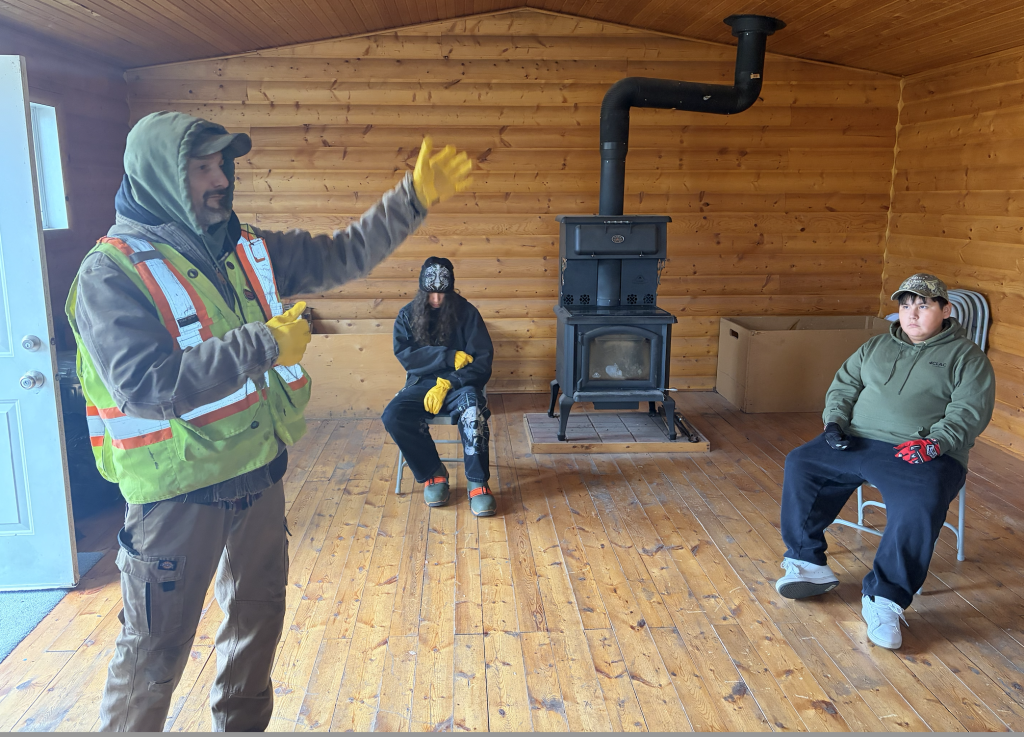
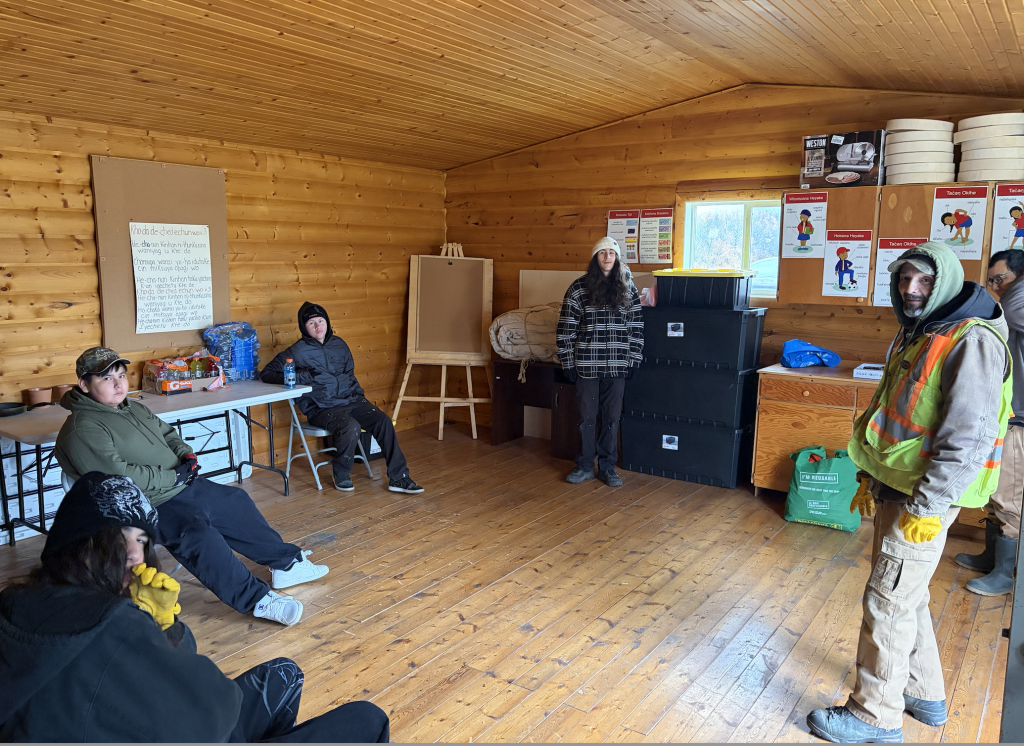
Over the Thanksgiving weekend, Morin and Whitecap Dakota First Nation hosted a youth community hunt and campout for young community members interested in learning hunting skills from local knowledge keepers.
The event brought out six youth, aged 12 to 18, who got a close up and very real look at both hunting and harvesting your own meat.
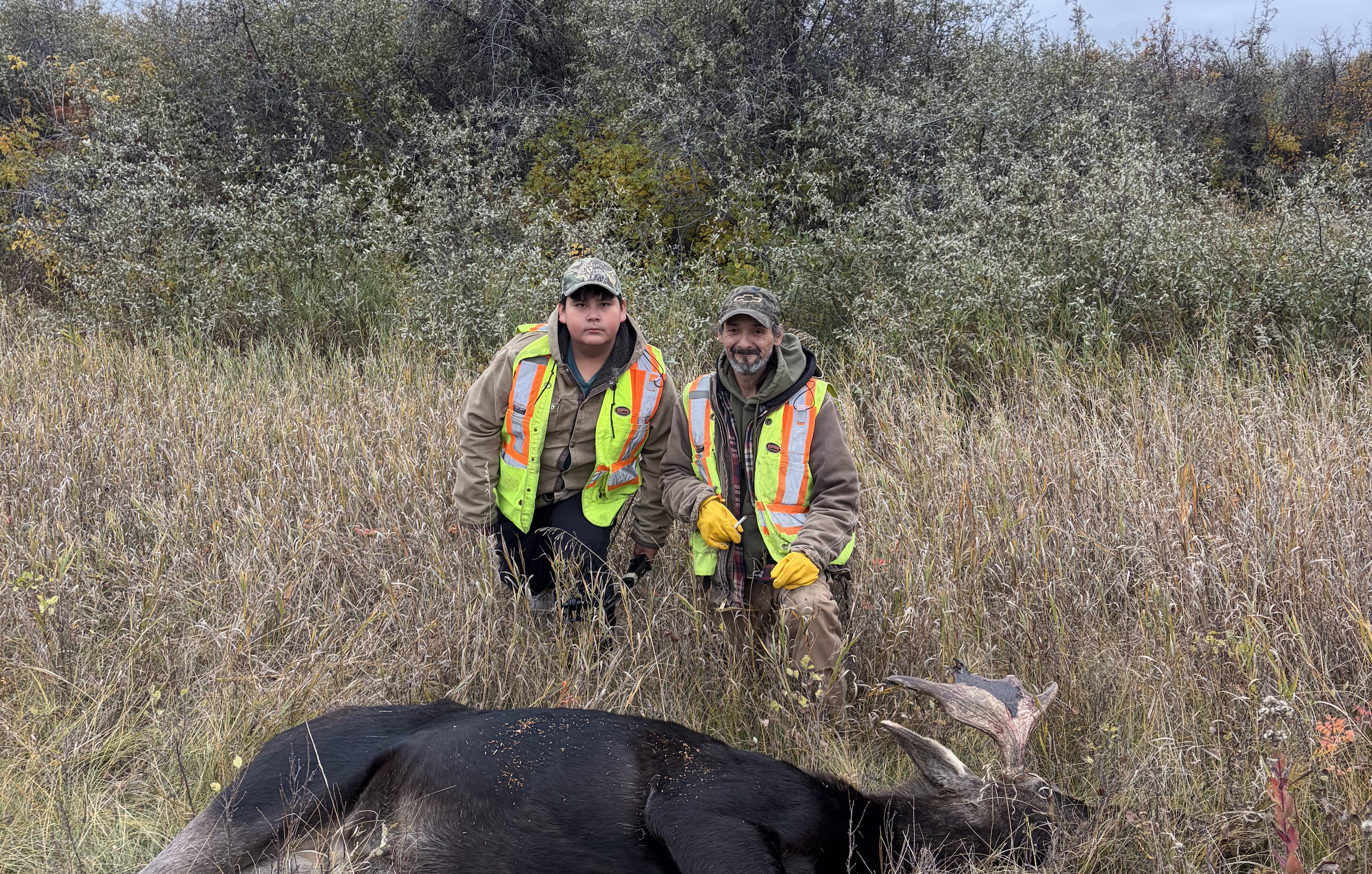
“It ended up being a big success. We got a moose,” said Morin.
After hunting the moose, Morin taught the youth every step of the meat harvesting process – including loading it on to and off a trailer, skinning the hide, gutting the animal, and preparing the meat – all within the traditional protocols.
“They’ll all get to take some meat home as well in a few days. So that’s the reward afterwards,” said Morin. “It teaches them to get used to hunting at that age so they’ll eventually be able to go out and hunt on their own.”
And while the youth community hunt gave the youth an up-close look at the proper hunting methods and strategies, including waking up at dawn to hunt, Morin said safety was their number one priority. The group was led by three knowledge keepers, who were the only ones actually using the firearms.
“We did let them shoot the rifle after the hunt to get them more knowledgable about how to use it, but we didn’t want to throw them into it without know how and where to shoot, where to stand when you’re hunting. It’s about immersing them in it one step at a time,” said Morin.
According to a recent Stats Canada report, in northern Saskatchewan, child poverty rates reach 62 percent, which heavily drives localized food and nutritional vulnerabilities.