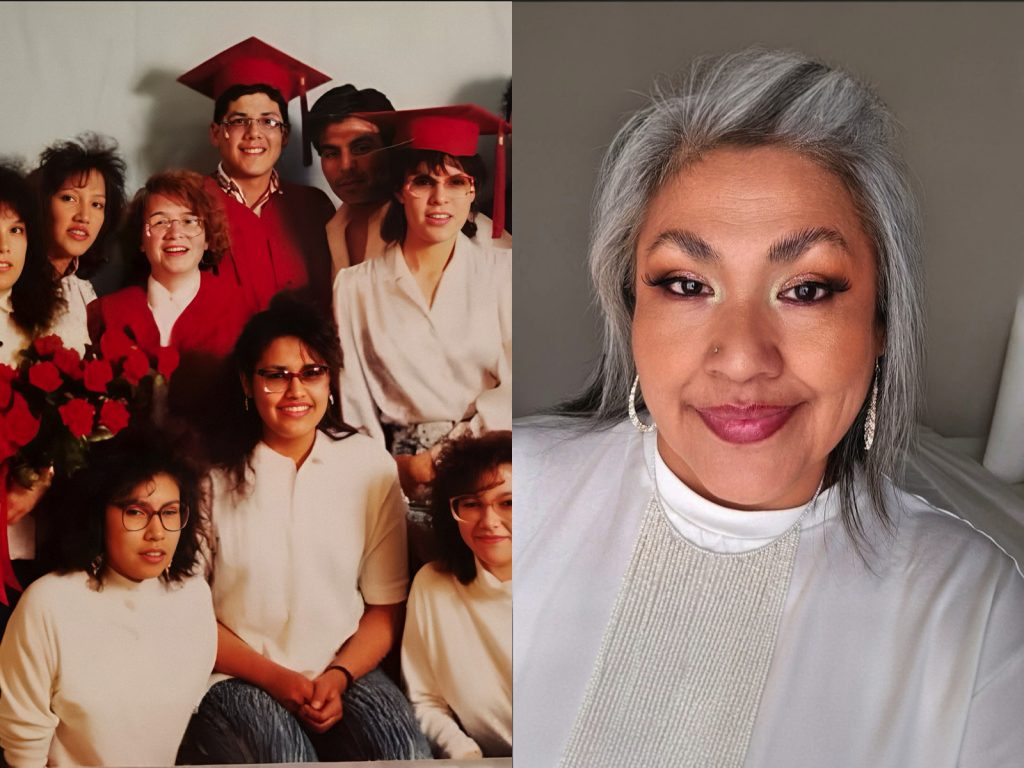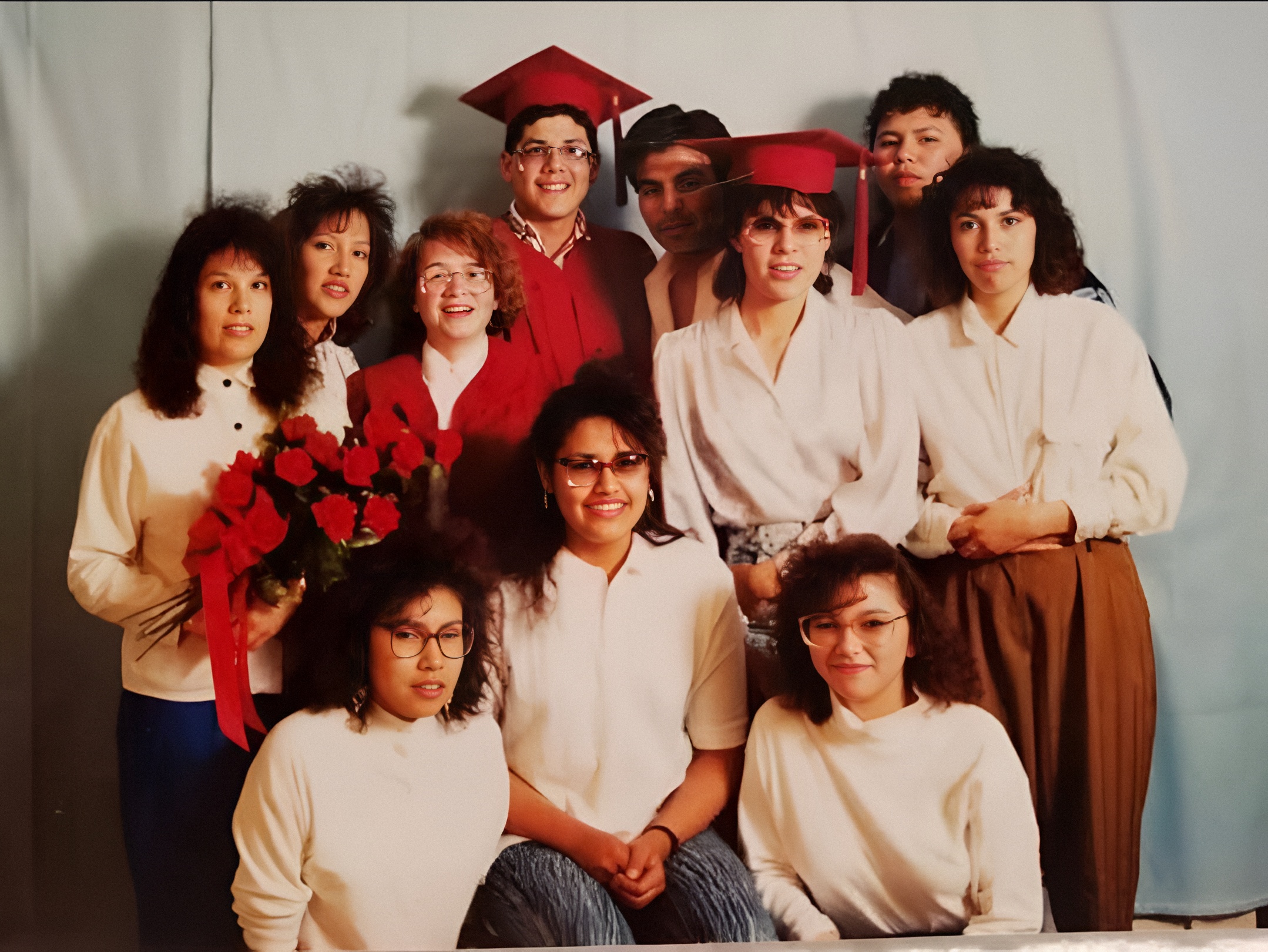
Grade 12 graduates of the Indian Residential School in Labret - one of the last generations of residential school survivors
Part II

The Last Generation – Survivors share stories from Canada’s final chapter of residential schools

Oct 12, 2026 | 1:19 PM

While most residential schools across Canada were shut down in the 1970s and 80s, Saskatchewan was home to the final institutions still operating in the country. Residential schools like Gordon Indian Residential School and Muscowequan Indian Residential School were running through much of the 1990s, leaving a generation of Survivors whose memories are still vivid from one of the darkest chapters in Canadian history.

In an ongoing series, Eagle Feather News is giving space for survivors of the Last Generation to share their experiences at residential school – in their own words.

Ivan Isaac – Ochapowace Nation
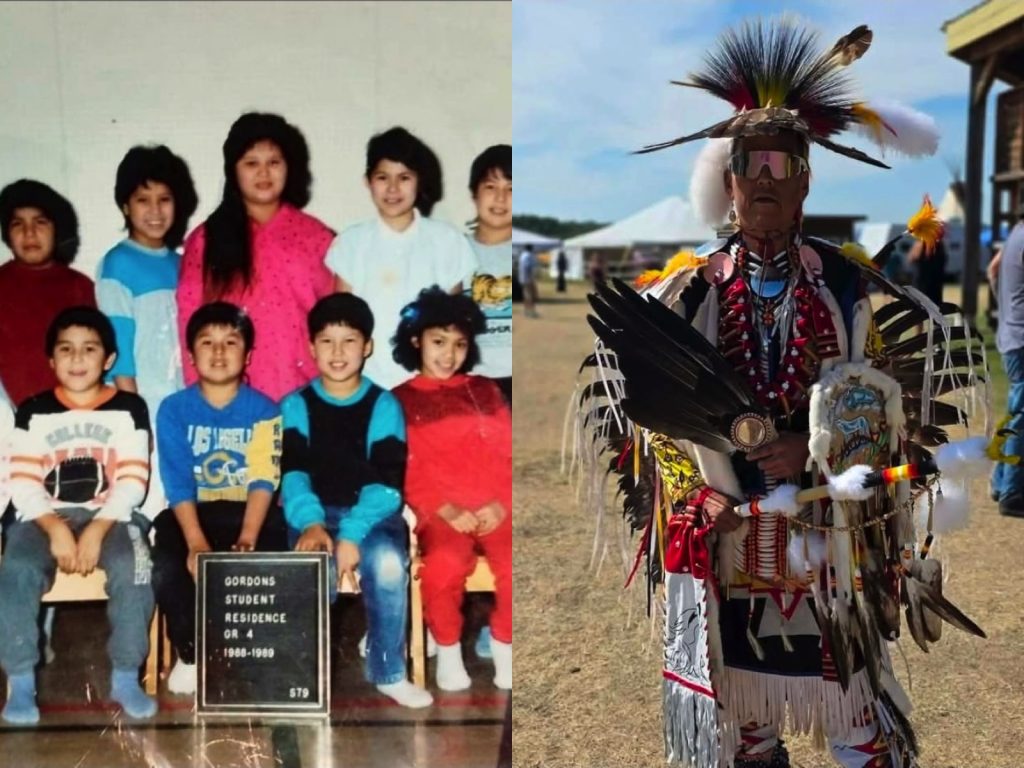
Ivan Isaac, from Ochapowace First Nation, attended three different residential schools over the course of more than a decade

I attended three different residential schools: in Grade 1 and 2 I went to Marieval (Indian Residential School). In Grade 3 and 4 I went to Gordon’s (Indian Residential School). I went to a white public-school in Grade 5 and 6, and then went to Labret (Residential School) for the rest.

There was a lot of alcoholism with families in my community. My mother was suffering from it as well whenI was young. So they sent me away to residential school to get me away from the alcoholism. But as a kid, I didn’t understand it. I was one of five siblings and I was the only one who was sent away.

Both first two residential schools were horrible experiences. Lebret wasn’t great either, but it wasn’t as bad because I played sports and no one bullied me anymore.

I don’t remember a lot about Marieval. I remember riding the bus, and taking a long time to get there. Then staying for a long time in residence, which was this big building that looked like a church.

To get to Gordon’s, I also had to travel all day to get to the school, which was a horrible experience because you’re by yourself and in Grade 3, travelling in buses all day. You just want your mom.

At Gordon’s you were thrown into the dorms that were separated for junior boys and junior girls, maybe 15 kids on each side. It was really sad at nighttime. We would cry each other to sleep. Everyone would start crying and you’d start crying. That’s how you’d fall asleep most nights.

Gordon’s is also where the sexual abuse happened. I’ve since gone through the courts and charged the person who sexually molested me. So I’m okay to talk about it.

During the two years I went there, it happened quite a bit. That’s why I didn’t go back. I begged and screamed and pleaded to never, ever go back to that place. And I told my mom about every terrible thing that happened to me. But people didn’t really believe me.

You hear about a lot of ugly stories at Gordon’s – ugly truths there that they were hiding. Even when I was a little kid, you’d hear about stuff going on there. But you’re just a little kid. You don’t know anything about sexual or physical abuse. You’re just an innocent kid.

There was a lot of student on student abuse that happened there as well. Both physically and sexually. And it was a hush-hush thing – if you were getting abused, you wouldn’t say anything about it because no one would believe you, or if they found out you said something, you’d get beat up.

My mom didn’t end up sending me back, but she sent me to a public school in white society. And I was totally lost. I struggled horribly. I had to repeat Grade 5 twice. It was just totally different – I went from living with other native kids, to going to a white school where there were only maybe a couple of native kids. The older white kids would bully us native kids.

Labret was an ugly residential school as well. But, if you were an athlete or got into sports, you would excel because they valued sports as much as education there. I excelled in lacrosse and hockey so I got treated much better there. But the people who didn’t play sports were really treated poorly.

To this day, I have never gone back to Gordon’s reserve. I’m scared to. If I ever went back, I would need something there for support – my partner or my grandkids, because that’s too much for me right now.

After residential school, I definitely lost part of my identity. I fell into alcoholism and didn’t know how to deal with it. I felt really off out and out of it. I think residential school made me feel isolated and alone – like not welcome with my family. It detached me from everything.

As an adult, I’m trying to gain all that back with my children. I’ve been sober for ten years now. I’m really culturally strong now – I dance powwow, which is something I’ve been doing for four years. I also make regalia for new dancers. Dancing powwow is my way of getting out and trying to heal from my pain because I have a lot of pain to heal through yet.

Kerry Benjoe – Muscowpetung Saulteaux Nation

Kerry Benjoe, editor and co-owner of Eagle Feather News, attended residential school for the final three years of her high school education.

I went to the Qu’Appelle Indian Residential School in Labret. After I finished elementary school, I had to make a decision to leave the First Nation if I wanted to continue through high school. It was either get bused off the reserve to a public school, or go to a residential school.

I chose the residential school simply because it was easier for my mom. My dad had died, leaving my mom as the sole provider. She never learned to drive in her entire life, so in making things easier for her, it seemed like the only option I had.

From Grade 10 to Grade 12 I was at Labret. I would stay at the school for 10-months at a time. Initially I didn’t think I was impacted by residential school, but immediately there was a loneliness I always felt.

When you walk into that school, you’re completely on your own. You have jobs to do – there’s a lot of responsibilities placed on you. And there’s a sharp cutoff between you and your family, because once you walk through those doors, the Principal basically becomes your parent. He’s the one that signs your paperwork, he’s the one that makes all your decisions, he’s the one that reviews your report cards. You’re signed over to the school. And you sort of lose yourself within that whole thing. The school is overseeing 300 kids, all under their responsibility. You don’t feel like an individual anymore.

If we failed to meet the requirements, if we didn’t do our chores as well as we were expected to, or if we didn’t behave, we had things taken away from us, like not being able to leave the grounds or not being able to go to the store. We even had weekend passes taken away for those who went home. Or if your parents came to visit, we wouldn’t allow us to visit our families.

There were so many little things that you take for granted, like your own shampoo, your own bar of soap. Those things became really valuable because someone could steal them. You had to be constantly looking after yourself, which creates a lot of independence. You couldn’t rely on anyone taking care of you.

I went to residential school in ‘87 and finished in ‘90. Back then, there was nobody talking about residential schools. The lawsuits that came out in the early ‘90s – they weren’t making headlines. My parents didn’t talk about residential schools. So I was in a residential school and didn’t even know the history.

It wasn’t until I got to university and started reading about it. I started to piece together why my parents were the way they were. Why they were so strict, why they didn’t look like the parents on TV, why they didn’t read us bedtime stories. They didn’t tuck us in. They didn’t say ‘I love you’.

When I left the school, I never went back. I did my Master’s project, called ‘The Last Generation of Residential School Survivors’, because I thought there was a gap in the storyline. I thought these stories needed to be included in this conversation.

I found that I was significantly impacted by residential school in that I was so different from my family. From the moment I went to that school, I never came home. I never returned to the reserve, unpacked my bag in that bedroom, slept in my bed. I left and became a different person. It was residential school that created that disconnect from me and my community. And a disconnect within my own family.

Today, when my daughter tells people her parents are residential school survivors, people ask how old they are. They don’t believe that her parents went to residential school. There’s a lack of information out there about the last generation. A lot of people don’t know that we exist.

Residential schools operated for over 100 years – there’s going to be changes over that time. I think it’s important for people to understand that every survivor’s story is different. But every survivor’s story is valid.