‘Searchers’ Reveals True Stories Behind Sask Search & Rescue Missions
-
Share on Facebook
-
Share on Bluesky
-
Share on X
- Copy Link
A new TV show is examining the world of search and rescue operations from an Indigenous perspective.
‘Searchers’ is a new docu-drama series on APTN that immerses viewers in real-life search and rescue missions through re-enactments and interviews with those who lived through the experience of searching for a lost individual.
“I want to show people the world of search and rescue, that there’s people that you can call upon who put their bodies on the line to help others,” said Cory Generoux, co-writer and director of Searchers.
“We want to bring compassion and understanding to (search and rescue), that missing persons aren’t just a face on a poster. They have families that love them. They play roles in the community. When making this show, we make sure to never lose sight of that.”
The 13-episode series, which premiered on January 7, takes viewers deep inside the experiences of each Saskatchewan-based rescue. Generoux and his team interviewed searchers, family and community members, and sometimes, the survivors themselves, on the harrowing experiences of a search and rescue mission.
“I approached this like a sacred act,” said Generoux.
“You’re talking to families about what might be the darkest time in their lives. You’re dealing with the possibility that the missing person might not be walking this earth anymore – that’s a sacred thing and we make sure we approach it in the most sensitive way possible.”
Generoux, a member of Sturgeon Lake First Nation, is trained in search and rescue, and has been on several searches in his southern Saskatchewan chapter. It’s something he found great fulfillment in, he said. So, when the opportunity arose to help bring Searchers to life, he knew his first-hand experience would prove invaluable in producing the show in a considered, sensitive way.
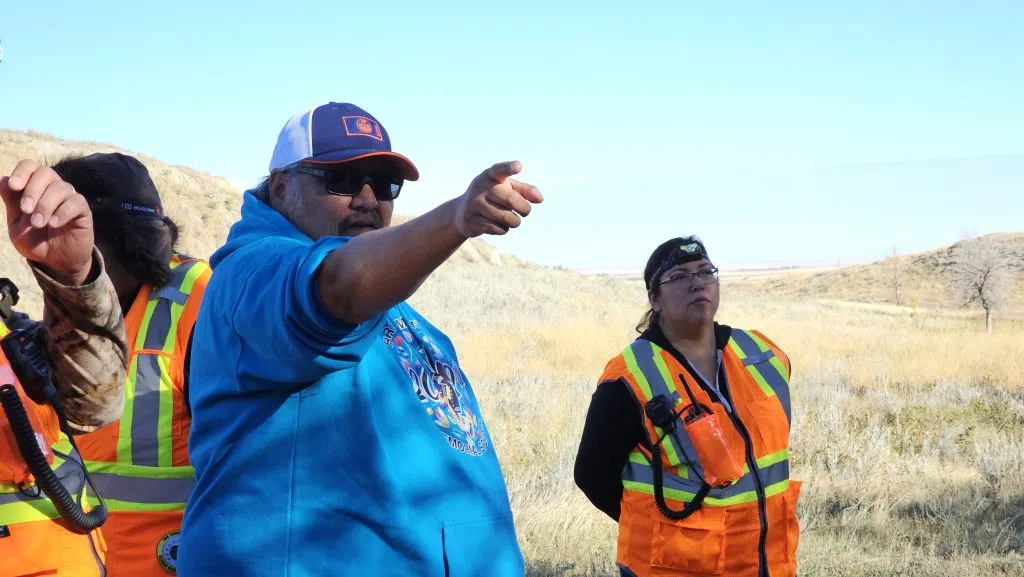
“I’ve been hunting since I was nine years-old, I’m used to being out in the bush. Being able to understand the difficulties of navigating the bush, you begin to understand how to translate those skills for looking for someone,” he said.
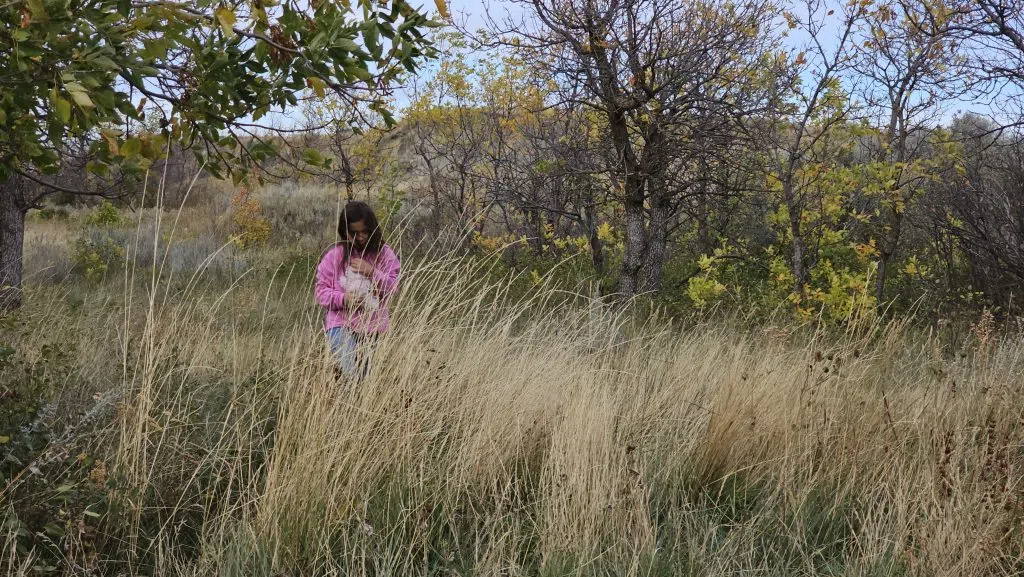
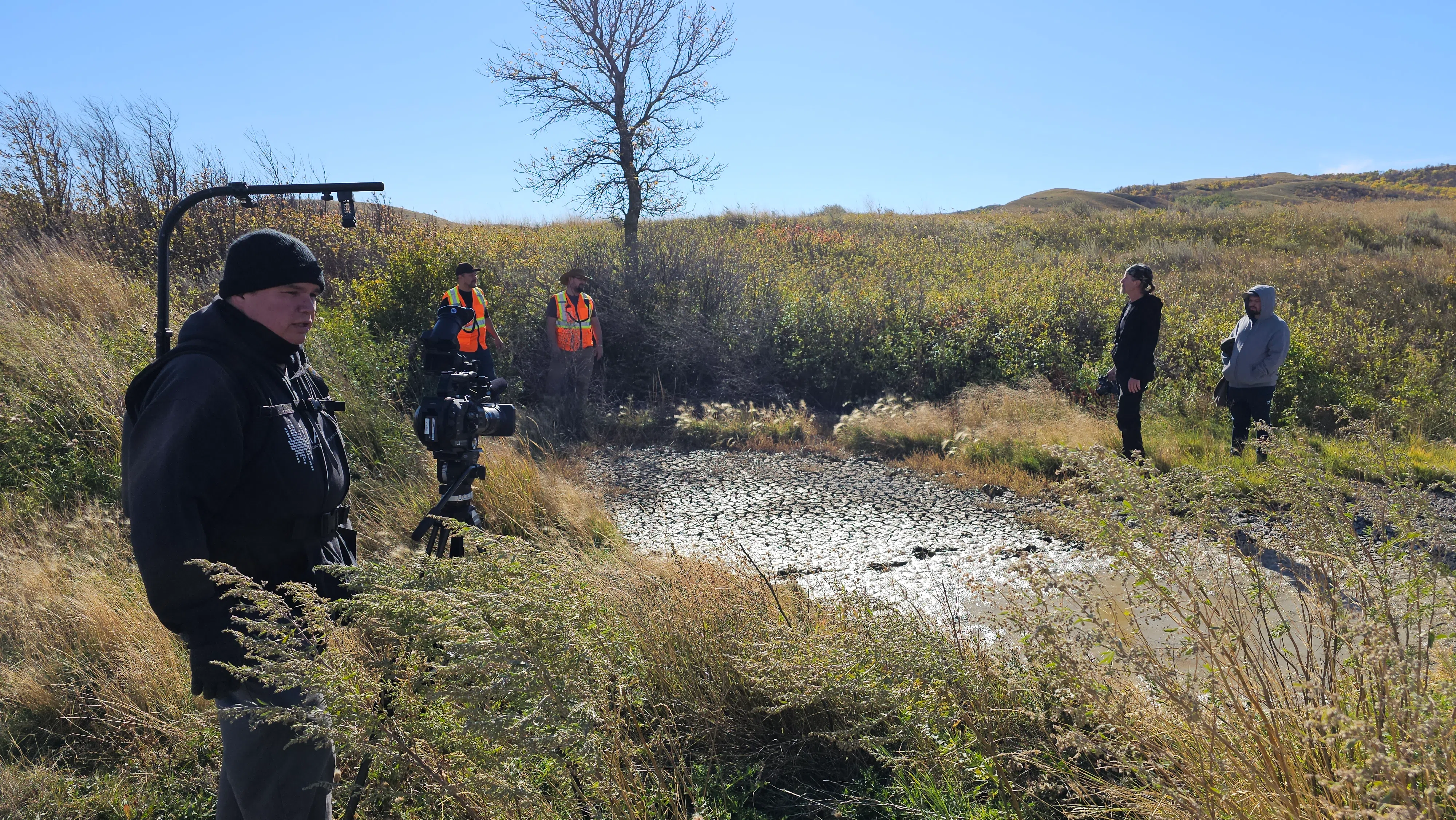
Generoux said that out of respect for the families, the crew wouldn’t go back to the exact locations where the searches took place, but rather choose locations that looked similar.
And as many of the searches were steeped in culture, with smudging, drums, and prayers playing a key part of the search process, Generoux would find ways to re-create cultural components without actually engaging in a sacred ceremony.
“Our crew would have a prayer before every shoot to remind people that these are representations of real life experiences. So we never lose sight of what occurred – these are human beings who are loved,” he said.
Search and rescue stories explored in Searchers include the tragic story of Ashley Krestianson, an 8-year old girl from Tisdale who went missing in a nearby wood in the 1990s. At the time, the RCMP did not have an official search and rescue division, but rather a few officers who decided to take it on.
Publicity of the missing girl sparked hundreds to join the RCMP search, including the military, universities, and volunteers from all over the country. It remains one of Canada’s largest search operations. Krestianson’s body was found 30 days after she went missing.