Cowessess First Nation launches new green initiative
-
Share on Facebook
-
Share on Bluesky
-
Share on X
- Copy Link
A new green initiative from Cowessess First Nation is harnessing an overlooked material – waste.
Awasis Organics Ltd. (AOL) aims to advance Indigenous-led solutions for organic waste in Regina.
In the joint venture between Cowessess’ economic development arm, Cowessess Ventures Ltd., and Great Plains Ecosystems, AOL will turn Regina’s organic waste into high nutrient biochar – a material made through a pyrolysis method resulting in a soil amendment to improve fertility, water retention, and nutrient cycling.
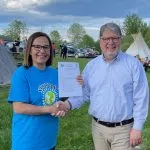
“This will completely align with our inherent responsibility as stewards of the land,” said Rebecca Acikate, business development manager for sustainability with Cowessess Ventures. “It reinforces that responsibility while generating revenue so our nation can continue to benefit from better programs.”
The AOL project provides a solution to a prolonged problem. In early 2025, Regina ended its contract with EverGen Infrastructure Corp, which was to provide composting waste management at a facility near Pilot Butte.
The contract fell through when nearby residents expressed concerns over odours, harmful emissions, and the potential contamination of an aquifer. While the new strategy was pending, the city has been driving the waste material by truck to a temporary site two hours outside the city.
“This creates a solution that the city has been looking for for quite a while,” said Acikate.
In a news release the City of Regina said the project does benefit and support the city’s goal of diverting 65 per cent of food and yard waste from the landfill, helping to extend its lifespan and thereby defer large capital investments to construct a new landfill.
It will also help lower greenhouse gas emissions and support the City’s broader environmental commitment to achieve net-zero emissions and become 100 per cent renewable by 2050.
“This agreement reflects the City’s dedication to finding innovative and sustainable solutions for residential food and yard waste while honouring Indigenous stewardship,” said Kurtis Doney, Deputy City Manager, City Operations, said in the release. “After months of careful collaboration and planning, we’re pleased to move forward with a solution that meets the needs of the community and supports a more sustainable future.”
The AOL project will reduce 17,000 tonnes of landfill waste and 15,000 tonnes of greenhouse gas emissions annually. It will also reduce fossil fuel emissions, as waste will no longer be driven a four-hour round trip, she said.
According to Acikate, diverting the organic waste will reduce the waste taken to the city landfill by 65 percent.
“(With AOL), there will be no emissions, no excess energy or waste consumption,” she said. “Which is important in any project, but specifically with an Indigenous project.”
The project is also expected to reduce the formation and release of methane, carbon dioxide, nitrous oxide, ammonia, and various acids and gases from the atmosphere.
The organic waste processing contract with the City of Regina is valued at more than $15 million over 10 years. AOL will operate on Cowessess land, about three kilometres from Regina, and is expected to create 15-20 jobs.
The biochar soil amendment product produced by AOL will be the first commercially made, Indigenous-branded product of its kind in Canada.
“This is a relationship with Grandmother Earth – a reciprocal relationship where we take care of her and she takes care of us,” said Acikate. “We are taking food waste and turning it into something that will help reduce chemical fertilizers in the agriculture business. It will improve the soil and the food output.”
This is not Cowessess’s first eco-friendly project.
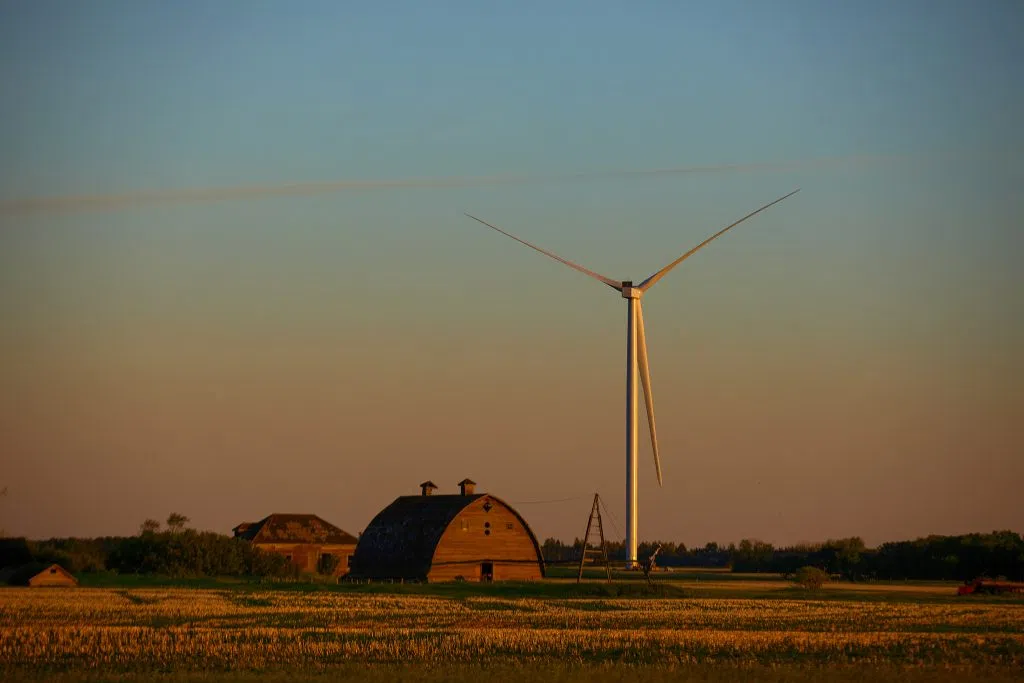
Cowessess First Nation has led several green initiatives in recent years. Bekevar Yotin opened in 2024 north of Moose Mountain Provincial Park. The 200 megawatt wind farm includes 36 wind turbines and can produce power for up to 100,000 homes.
The wind farm is the largest Indigenous-owned wind development in Canada. It’s projected to reduce greenhouses gases by 130,00 tonnes annually.
“Providing power to 100,000 homes is significant because SaskPower has aging infrastructure and we need to reduce our reliance on coal and fossil fuels for generating power,” said Âcikahtê.
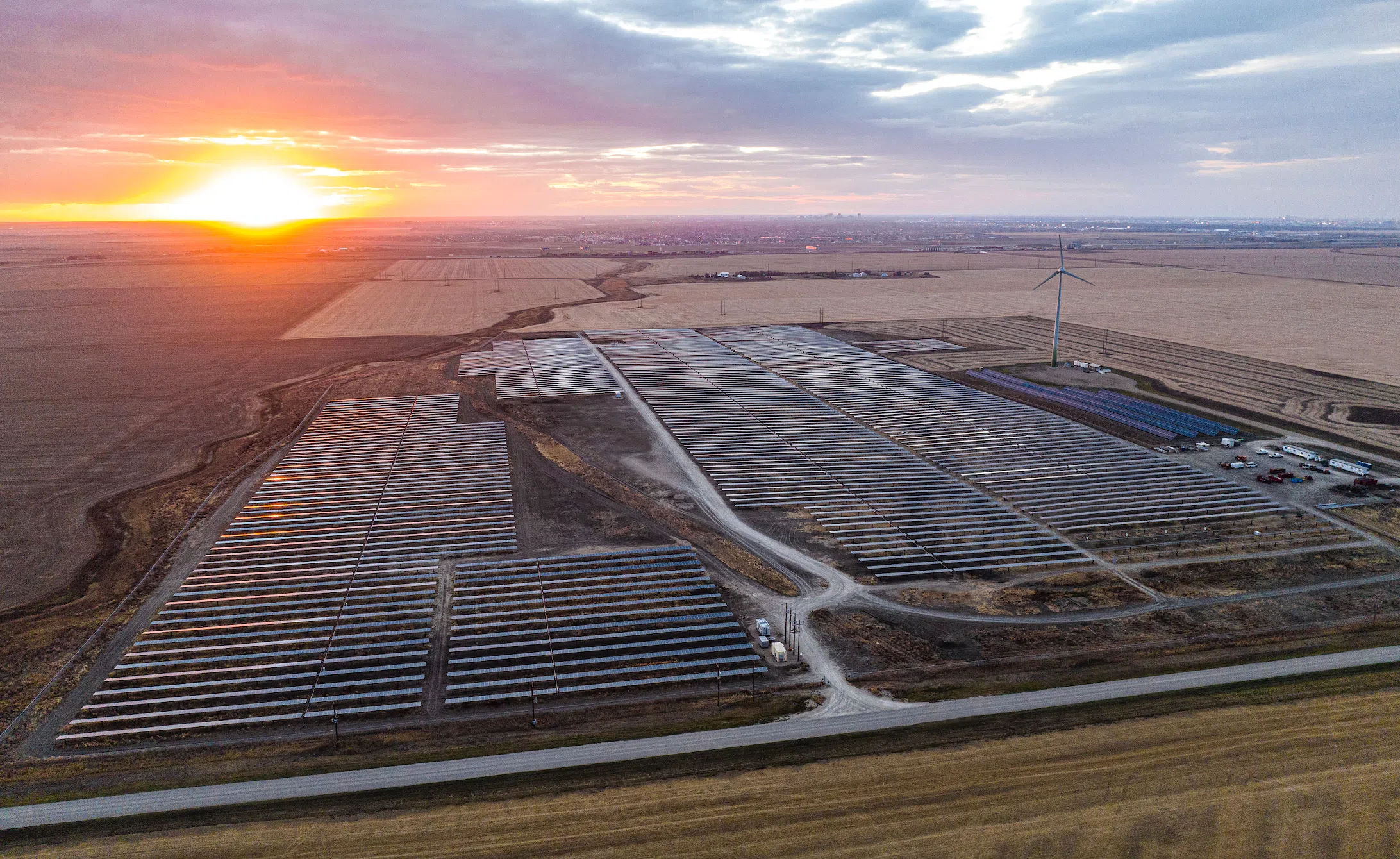
Awasis Solar, built on Cowessess reserve lands and operating since 2022, is a $21 million solar project providing 10 megawatts of power. It generates enough energy to power 2,500 homes per year, and reduces greenhouse gas emissions by 14,000 tonnes per year.
The solar project takes up 153 acres, and is 95 per cent owned by Cowessess, with expectation of 100 per cent ownership in 2027.
“All of these projects add up over time and contribute to our goal of being a self-sustaining nation,” she said.
The first green-energy initiative from Cowessess is their Wind Solar Battery Storage project, which was completed in 2018. It consists of 500 kilowatts of solar power, 800 kilowatts of wind, and 400 kilowatt lithium batteries for storage. The project generates power for 344 homes, reduces greenhouses gases by 1,300 tonnes per year, and marks the beginning of Cowessess’ major commitment to green energy.
“We have a responsibility to be good neighbours (with Regina) and good stewards of the land. And, to take care of grandmother Earth,” said Âcikahtê. “By removing emissions, it’ll help improve our air quality, and our nearby water systems will be less impacted. It will continue to improve the health of our nearby communities and our environment.”
AOL expects to have their biochar soil amendment in production by November 2026.