Saskatoon shelters busting at the seams
-
Share on Facebook
-
Share on Bluesky
-
Share on X
- Copy Link
As Saskatoon’s homeless population continues to grow, shelters and housing supports systems are being stretched to respond to the urgent need.
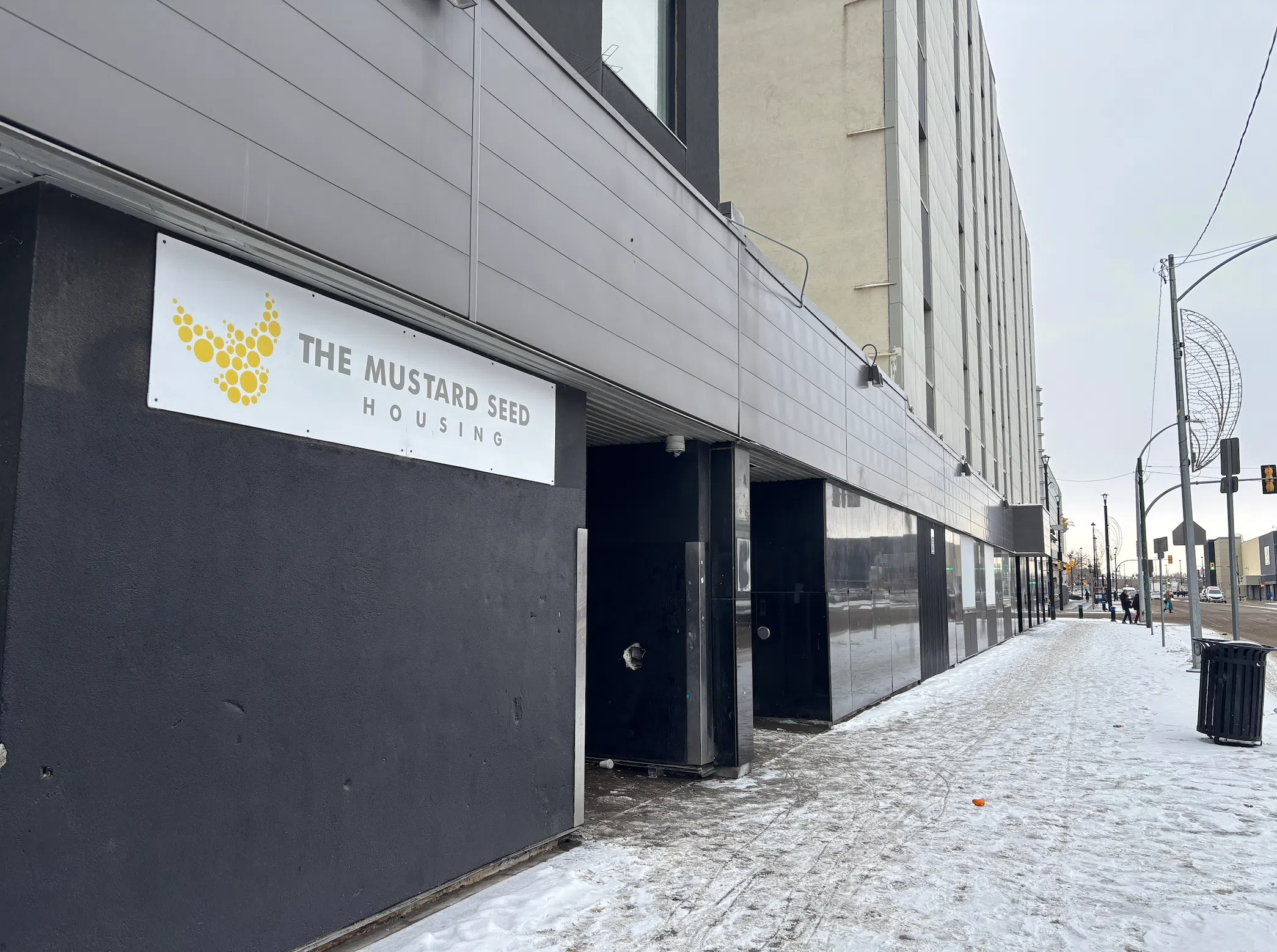
“We’ve been at capacity since we opened,” said Levi Mitchell, shelter manager of the Mustard Seed enhanced emergency shelter on Avenue S.
“The lack of supportive housing is massive. It would be incredibly helpful if we could streamline people through more supportive beds to meet their needs. It’s very difficult to find private market housing on income assistance.”
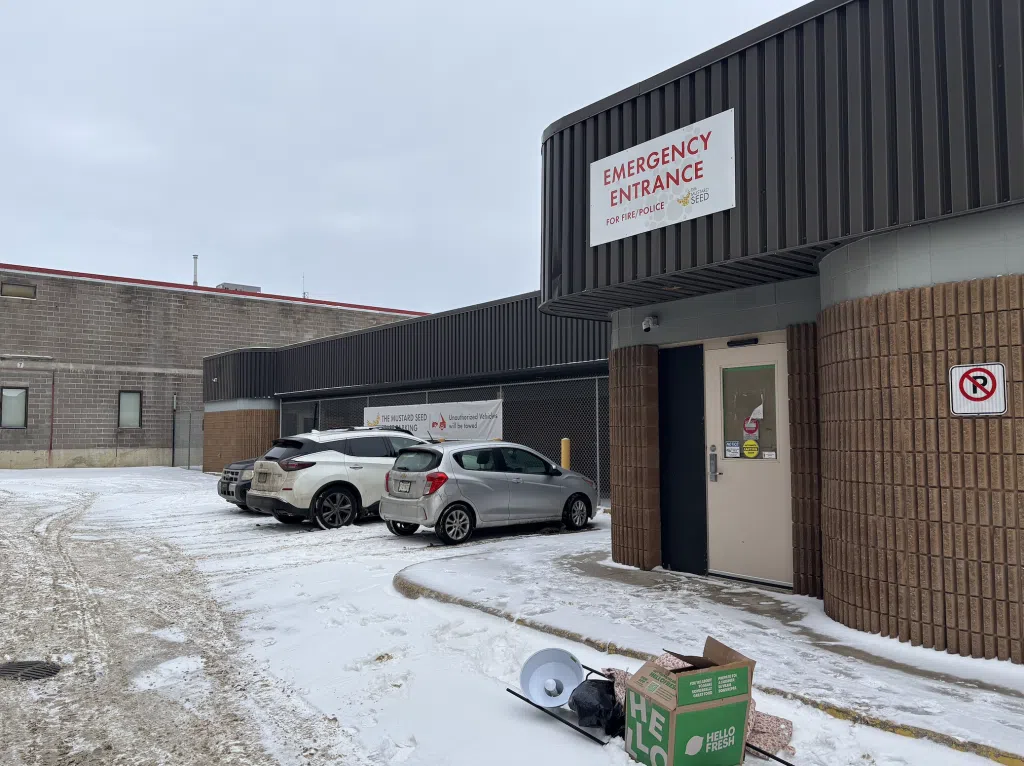
The 40-bed shelter, opened in April, is located in the parcel building behind the former Saskatoon bus depot.
Over the first two weeks of November, Mitchell reported the shelter turned away between zero and thirty people per night, with an average of 17 turnaways per evening.
Mitchell said when they are aren’t able to accommodate a person, they call around to other shelters around town, which are also consistently at capacity.
When spots do open up around town, transporting individuals to a bed or warm-up shelter can also be a major challenge, he explained.
“The stress on the system, the high demand, makes it difficult,” said Mitchell. “If you have a lot of people throughout town and two warm-up locations, transportation can be backlogged. If a cab doesn’t show up for two hours, the person might not be able to wait.”
This ultimately can cause more problems making certain people in need are sheltered.
“It’s important to get resources there in a timely fashion so people can take advantage of them,” said Mitchell.
Since opening in April, Mustard Seed has had 585 unique individuals stay in their shelter. There’s no maximum time an individual can stay, but Mitchell said they try to have them move onwards to secure housing as quickly as possible.
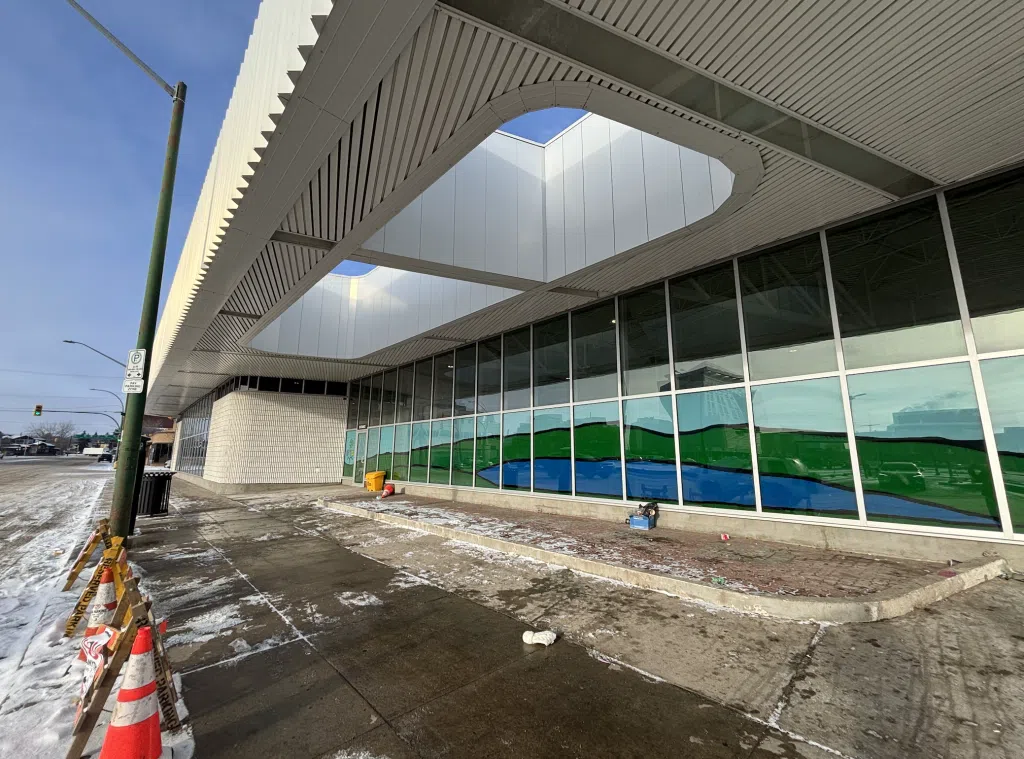
Mustard Seed also operates the supportive housing facility in the former Lighthouse building, and will be opening a 60-bed shelter near the Harry Bailey Aquatic Centre in the Central Industrial neighbourhood.
Mitchell says despite the growing homelessness numbers, he’s encouraged by the cooperative approach taken by organizations around the city.
“As a community, we’re working to be more inclusive and bring more voices in. It seems to be a bigger and bigger focus here, so there’s reason for optimism,” he said.
But he also said Saskatoon needs increased supports for addiction services, as well as housing and supports for those with diagnosed and undiagnosed intellectual disabilities.
“You’re finding bottlenecks across the entire housing continuum,” said Mitchell. “ You’re not going to find one thing that makes the fix. We’re going to need to see an increase in capacity at every stage.”
The Central Urban Métis Federation Inc (CUMFI) are also hard at work providing essential supports for Saskatoon’s vulnerable population. Their extensive affordable housing programs include emergency shelter for women and children, Elder housing, housing for those leaving abuse or crisis, housing for those in addictions recovery, and housing for families living with HIV/AIDS.
In October, the City of Saskatoon, with the provincial and federal governments, Indigenous Services Canada, and the National Indigenous Collaborative Housing Incorporated announced a new housing transitional development designed for Indigenous women, children and 2SLGBTQI+ individuals fleeing domestic violence.
The development features 20 fully furnished units, and will be operated by CUMFI.
Despite the multiple housing facilities, CUMFI President Shirley Isbister is very concerned for the state of the city.
“We’re in a crisis here in Saskatoon. Our point in time count is up over 400 people from last year, and we know we miss people,” said Isbister.
Isbister characterized the current cost of rent as ‘ridiculous’, and unaffordable for a large amount of lower income people. A report from late 2024/early 2025 showed an average of $1,400 per month for a one bedroom apartment, $1,550 for a two bedroom, and over $2,000 for a three bedroom.
“It’s very hard to get housing,” she said. “If you can’t get housing, then where are you going to go? It’s vicious circle.”
Compounding the issue is that landlords around the city are often hesitant to take on tenants who were recently homeless, said Isbister.
The concern is valid, she said, as two suites in their facilities recently had $7,000 and $5,000 worth of damages, respectively.
“I understand some of the resistance. There’s no one to cover the damage. If you have $7,000 in damages, you’re not going to recoup that in rent,” she said. “There needs to be funding in place for landlords who are left with damage.”
Isbister said another struggle comes from the resistance to being helped from those who are homeless. She would like to see some type of designation for those who are wanting and ready to be supported.
“That way we can put our best housing efforts to the people who are ready for help, while still maintaining the needs for those who aren’t ready,” said Isbister.
Those who are ready for support often wait weeks or months to get into the housing or the treatment centres they require, said Isbister.
In Saskatchewan, individuals often wait more than six-weeks to get into a centre.
“In this cold, we need immediate access to treatment so when someone says they’re ready, we can take them that day,” said Isbister. “It can’t be weeks. By that time, they might not be ready.”
While she also believes the motivation is there by local and provincial government to address the crisis, the lengthy nature of developing more supports can be frustrating.
“When you’ve never been in that position, you don’t understand (the urgency),” she said. “I come from extreme poverty so I know what this is like. I’m an action person – I want to just get this done. It saddens me because there’s been years of meetings and meetings and meetings and still we haven’t made a huge difference.”