Growing local specialists to address dental care challenges in northern Saskatchewan
-
Share on Facebook
-
Share on Bluesky
-
Share on X
- Copy Link
A one-of-a-kind dentistry program in northern Saskatchewan is not only providing opportunities for people to train closer to home, but is addressing oral health challenges in remote areas of the province.
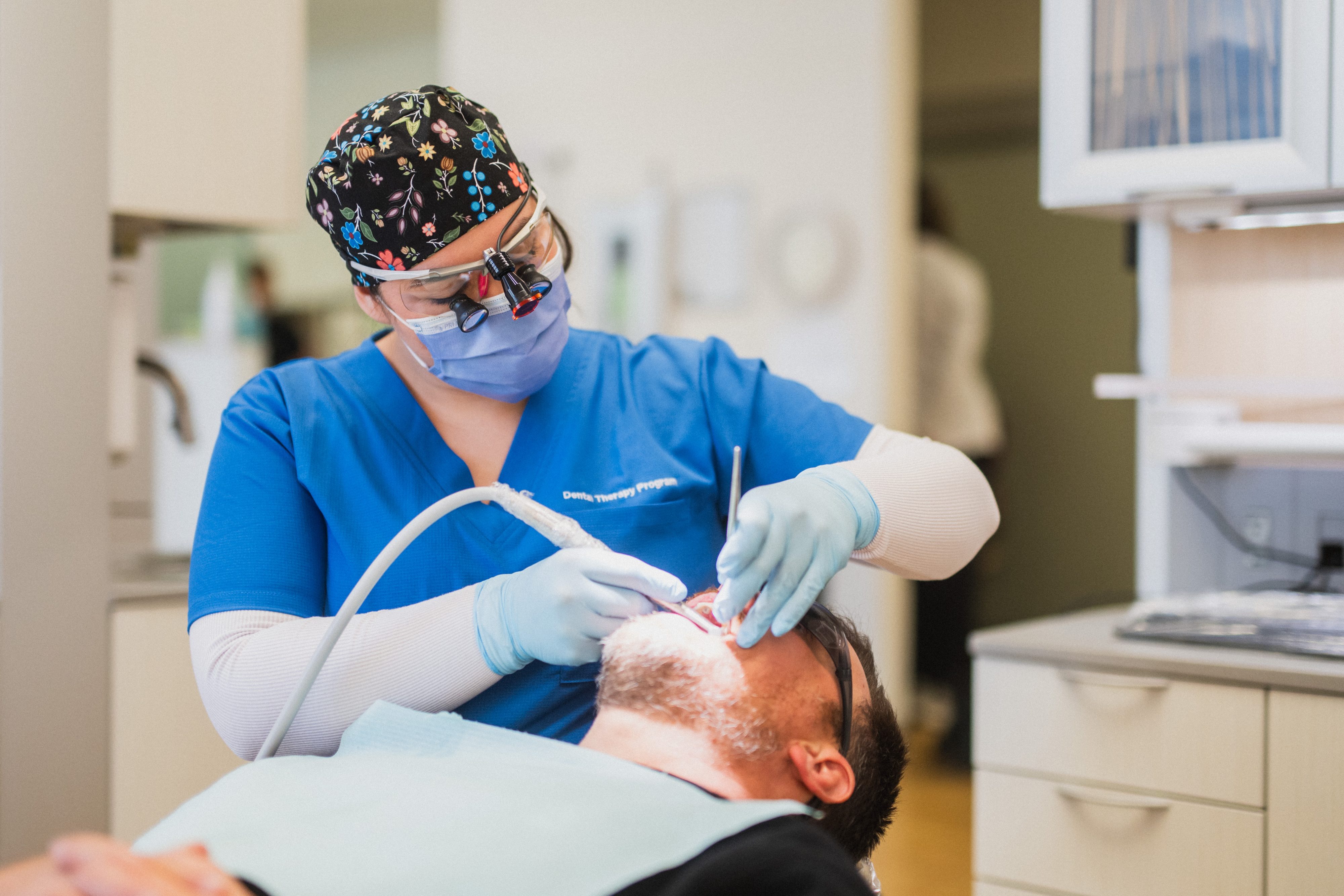
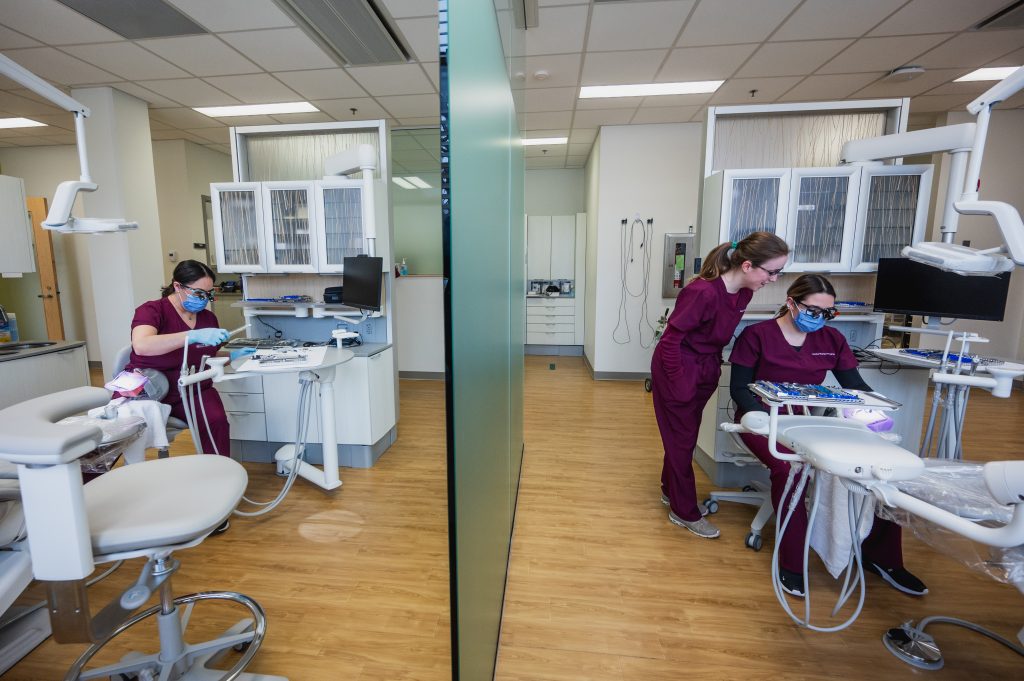
The Dental Therapy training program is a collaboration between the University of Saskatchewan, Saskatchewan Polytechnic, Northlands College, and the Northern Inter-Tribal Health Authority (NITHA) helping to bring dental services to communities where healthcare is often limited. The 2-year undergraduate program, which was available at campuses in Regina and Saskatoon, has now expanded to Prince Albert and La Ronge.
“Access to oral health care is difficult and has been an issue for a long time,” said Dr. Walter Yim, Lecturer and Assistant Director of Academic at the USask. “The hope is that if we recruit students from these remote Indigenous communities and train them – they know how great it is to live in these communities – they go back to their communities and work there.”
The program is also unique in that it offers the only training in Canada for a career as a dental therapist. A licensed mid-level oral health professional, a dental therapist provides preventative and basic restorative dental health services, including full examinations, X-rays, fillings, simple extractions, and cleanings.
“The idea is to deliver basic dental care to more remote or Indigenous communities where there isn’t enough access to oral health care,” said Yim.
According to a report from the Saskatchewan Health Authority and Saskatchewan Oral Health Coalition, the far north-central region of the province has only two practicing dentists serving a population of over 2,600 people, and zero registered dental therapists. By contrast, the Sask Health Guide lists 86 dental clinics in Saskatoon alone.
Yim said it is not uncommon for an individual from the northern area of the province to travel five to six hours in order to see a dental professional.
“With the gas it costs to travel, and the expenses if they need to stay overnight, dental appointments become hundreds and hundreds of dollars on top of the cost of the dental care,” said Yim. “So those barriers are there, they’re geographical and financial. It’s difficult for people and we’re trying to optimize healthcare.”
Yim said they are actively recruiting Indigenous students from small and remote communities to become dental therapists, and currently have a significant amount Indigenous students enrolled in the program.
“If you talk to patients who’ve had dental issues, it can really affect your life. So if we can make these changes where access to healthcare or prevention of healthcare problems can occur, then we can really have positive impacts on people’s lives,” said Yim.
The program also improves access to healthcare by providing reduced-cost dental services for patients at all four of their centres, including Prince Albert and La Ronge. Yim said patients often enjoy their dental services because they’re slower and conscientious.
The ultimate goal, said Yim, is to make healthier communities in northern Saskatchewan.
“We’re trying to have people that are trusted members of the community – people that you can go to for advice, for prevention, and for treatment,” said Yim. “That’s the big overarching goal of the program.”