Canada open to Indian Act reform as Indigenous leaders call for First Nations-led process
-
Share on Facebook
-
Share on Bluesky
-
Share on X
- Copy Link
After 150 years, Canada is looking to finally start a process to move beyond the Indian Act. And Indigenous leaders are declaring that any amendments to the Indian Act need to include their voices.
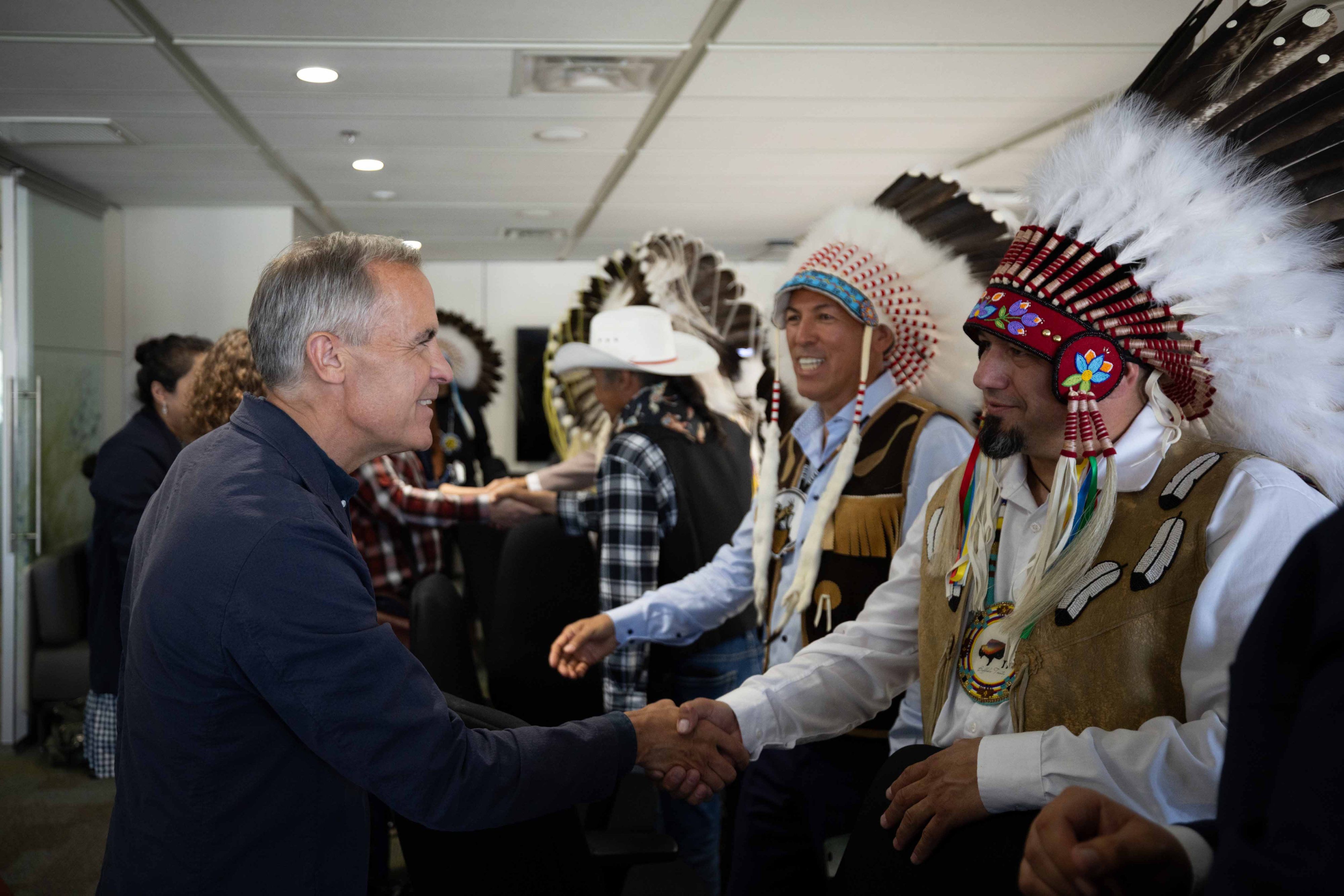
In October, Canadian Prime Minister Mark Carney said he is “very open to” and committed to a process that explores reforming, modernizing, or abolishing the Indian Act.
The statement was a response to Manitoba Premier Wab Kinew during a meeting in Ottawa, where Kinew argued that the Indian Act is outdated and should be abolished.
“Abolish the Indian Act. We have nothing to lose but our chains,” said Kinew, stating that the Indian Act is “outdated, racist, and patriarchal legislation” that is “inconsistent with Canada’s vision of being a global leader in human rights and democracy.”
Carney said that starting a review process does not guarantee that the Indian Act will be terminated, and that any path forward must be co-developed with First Nations, as well as provincial and territorial partners.
In response to the conversations around the Indian Act, Onion Lake Cree Nation Okimaw Pete Chief released a statement, calling on the federal government to recognize that First Nations have the authority to determine their own path forward.
“(It) cannot be a process designed in Ottawa and presented to our Nations for approval. It must be developed with us, respect our Treaty relationships, and proceed only with our free, prior, and informed consent,” said Okimaw Chief in a statement.
“The question is not simply whether the legislation should be reformed or repealed. The fundamental question is who gets to make those decisions.”
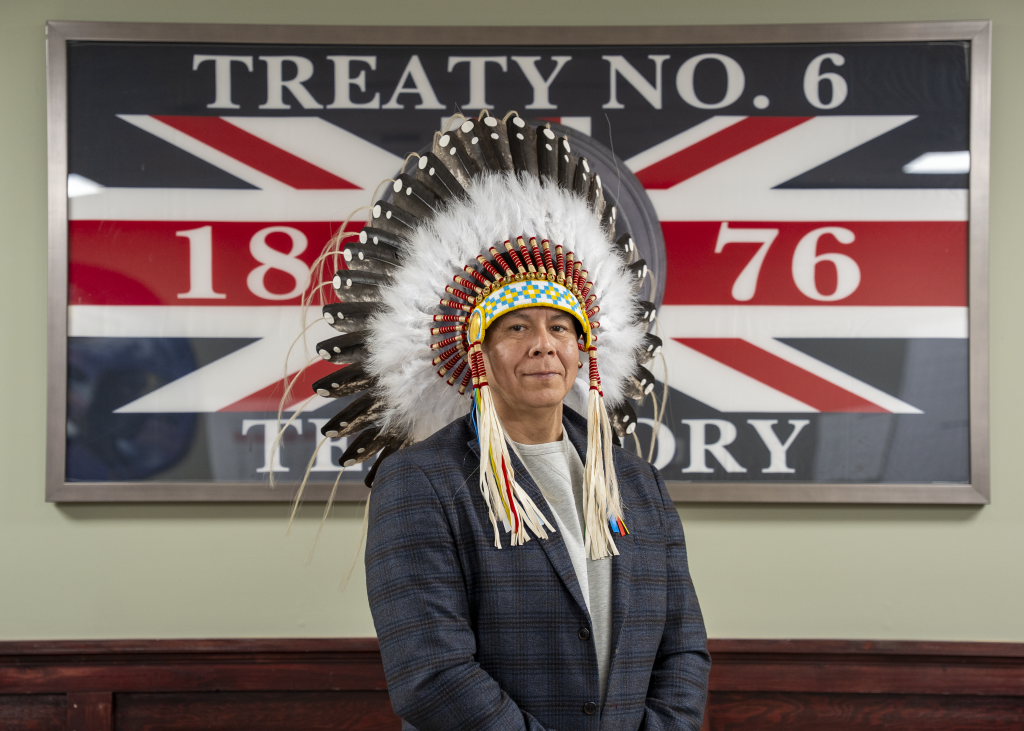
Okimaw Chief also acknowledged that abolishing the Indian Act is legally and practically complex. The Act defines Indian status, band membership, and collective rights. An immediate repeal would risk loss of status, healthcare, education funding, Treaty rights, and tax exemptions.
“If that legislation is repealed, what happens to the legal status and protection of our reserve lands? How will our membership be recognized? What happens to existing tax exemptions and other protections?” said Okimaw Chief.
Dr. Kathy Walker, Treaty Commissioner of Saskatchewan, said First Nations have been steadily moving beyond the Indian Act for generations under their inherent and Treaty rights based framework. She said the question is not if we should move beyond the Indian Act, but how.
“There needs to be something in place to ensure that the distinct legal, constitutional, and political status of First Nations is recognized and affirmed before the Indian Act can be abolished,” Walker told Eagle Feather News.