SOAR competition win fuels Indigenous-led mission to honour survivors
-
Share on Facebook
-
Share on Bluesky
-
Share on X
- Copy Link
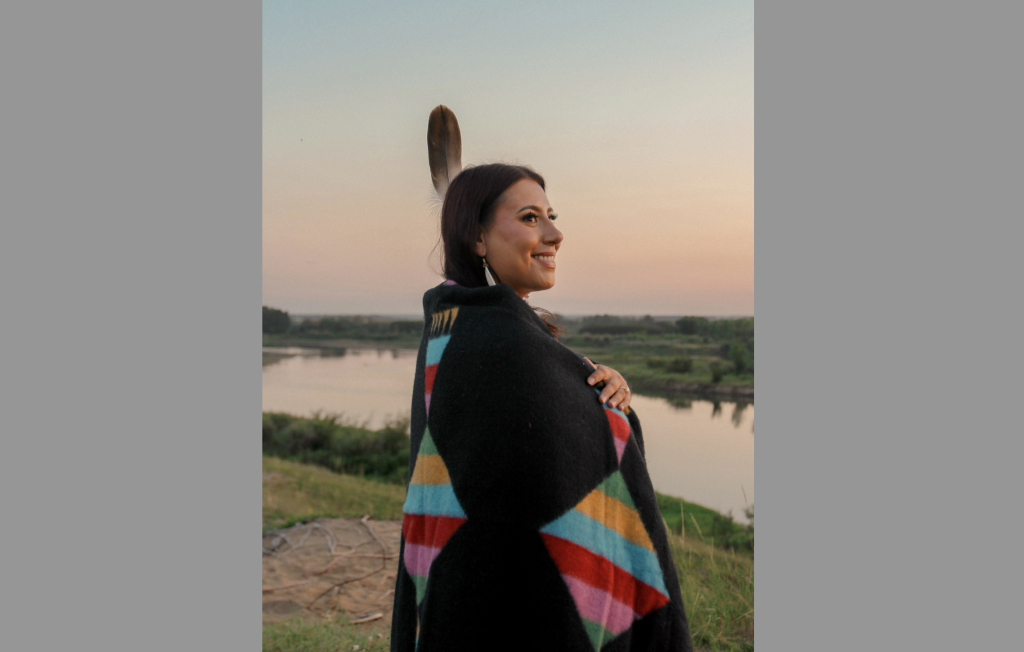
Micaela Champagne is grounded in truth.
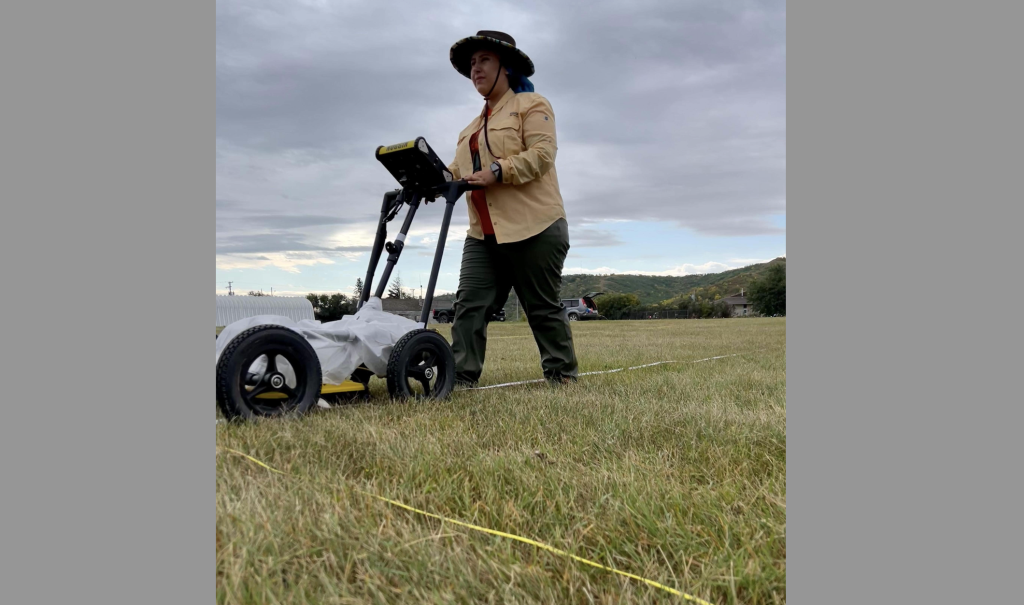
Her company, askîhk Research Services, of which she owns 51 percent, was created out of a need to conduct culturally safe and accurate investigations into the whereabouts of missing children from former Indian Residential Schools.
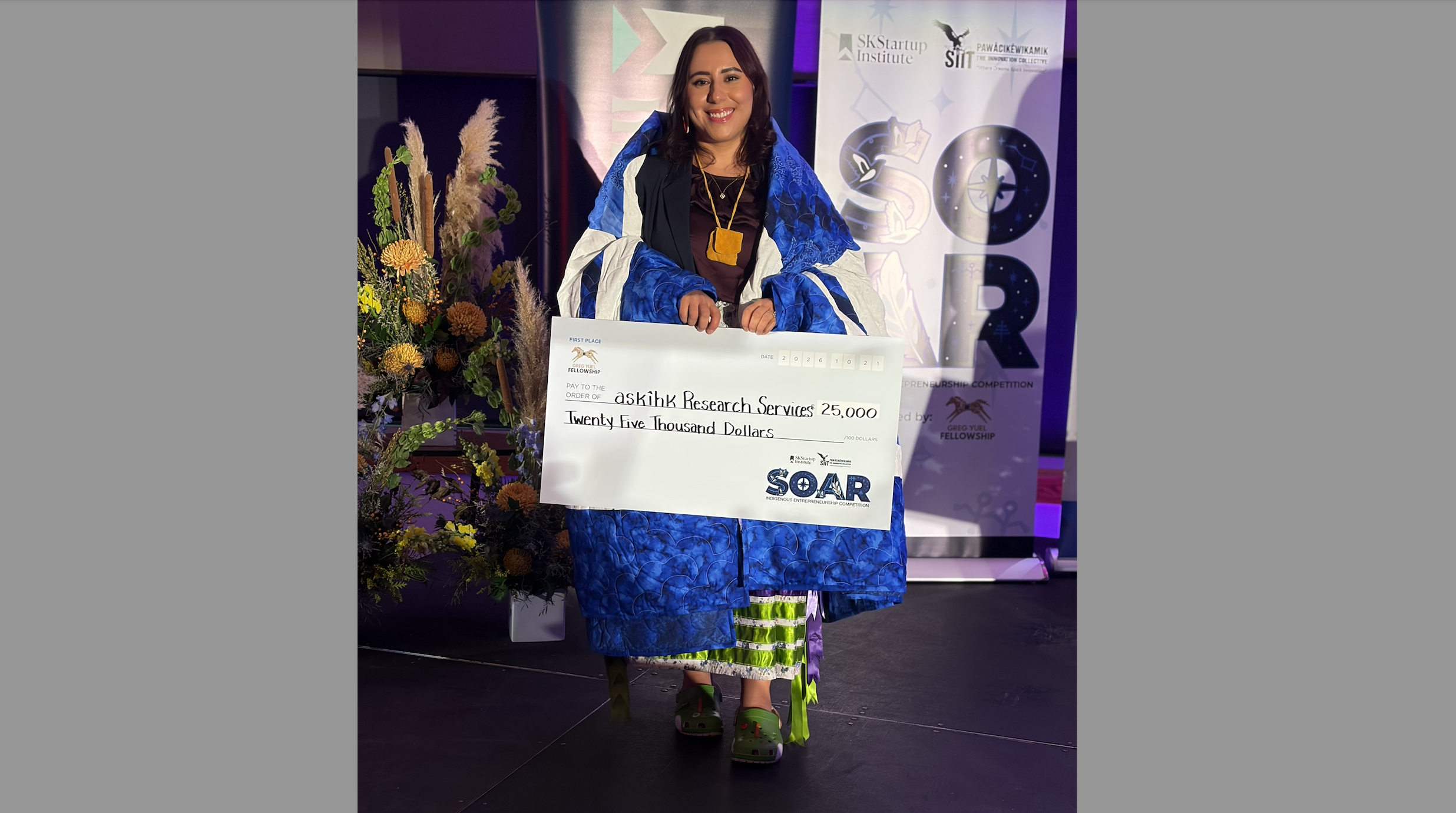
This October, Champagne and askîhk Research Services were awarded the top prize of $25,000 in the SOAR Indigenous Entrepreneurship Competition, presented by the Saskatoon Regional Economic Development Authority (SREDA).
The win not only gave Champagne confidence as a business-person, but granted her a special moment with the person who inspired her career.
“It felt quite surreal. It was emotional because my kookum was there that night and I really, really wanted her to know that this win was not for us as a company, but for her. Everything we’ve done with this company is to honour her, her siblings, and to honour all of those survivors,” said Champagne.
“This competition made me feel less alone as an entrepreneur. Before this, I did not consider myself an entrepreneur – a scientist and archeologist, yes, but not an entrepreneur.”
Initially based out of the University of Saskatchewan (USask), askîhk Research Services began their own independent company in order to create more trust with the nations they were working with. Co-owned with Kathleen Willie, Angela Burant, and Terence Clark, Champagne, who is a member of Canoe Lake Cree First Nation, leads all the cultural protocols within the company and creates an environment for Indigenous people and communities who want research done in a manner that is safe, respectful, and culturally-informed.
“We want people to understand the science behind (what we’re doing), and how it can benefit them,” said Champagne.
“We’re never going to have that same, intimate knowledge of the land that people in the community have when we go to a site, so it’s very important that we’re working with their community-led scientists and experts.”
In less than two years, askîhk Research Services has already worked with 13 different First Nations and institutions across Canada, the majority of which are located in Saskatchewan, Alberta, and British Columbia.