Métis Nation-Saskatchewan to Build 12 Affordable Tiny Homes in Northern Communities
-
Share on Facebook
-
Share on Bluesky
-
Share on X
- Copy Link
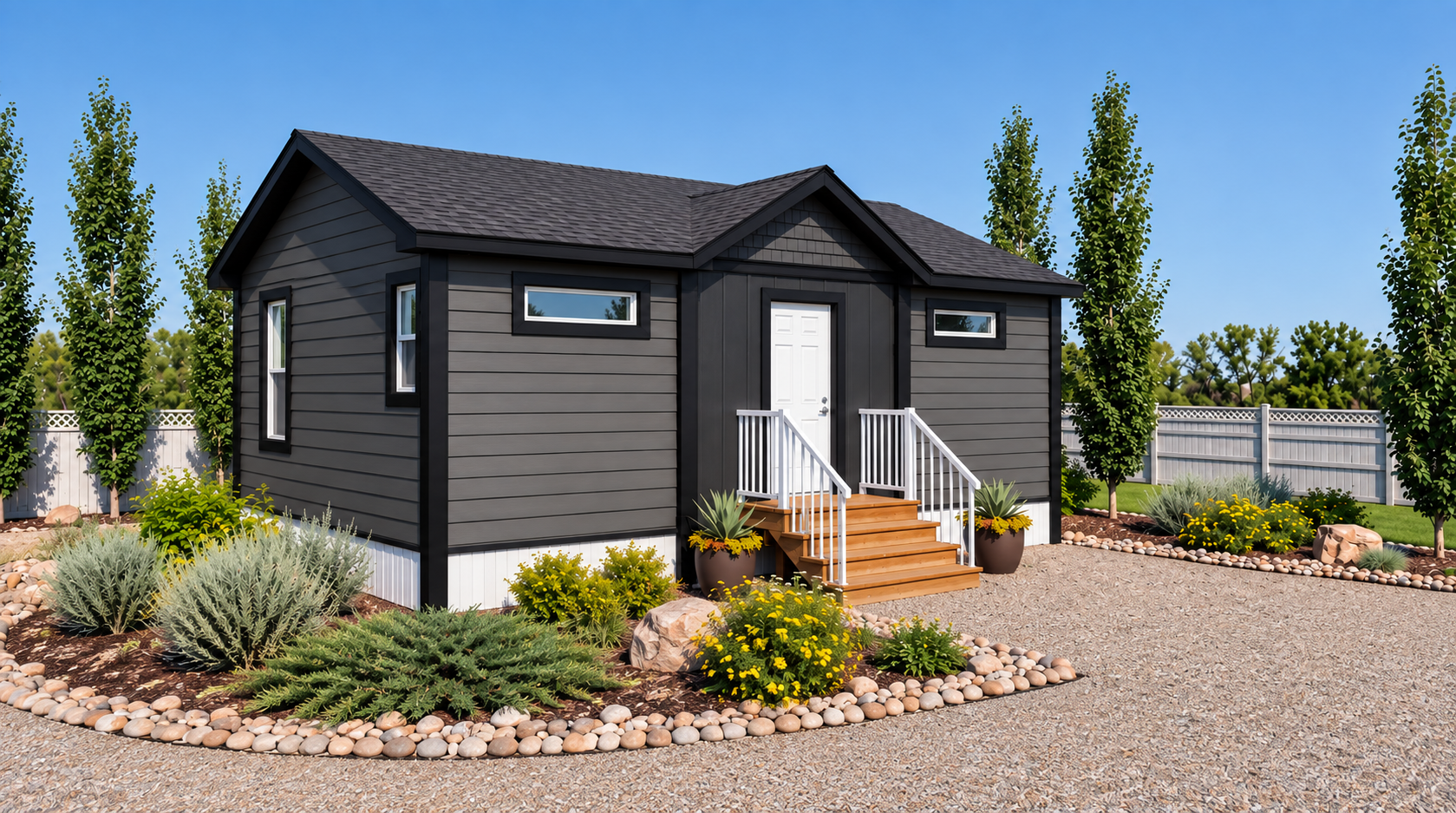
A tiny home project led by the Métis Nation-Saskatchewan (MN-S) is providing 12 new affordable tiny homes to three northern and remote communities in Saskatchewan.
The new development includes six tiny homes in La Loche, three in Cumberland House, and three in Buffalo Narrows. The project will provide affordable rental homes for Métis citizens, primarily Elders or single occupants with low incomes.
“Every single project that we are able to get going and complete is one more drop in the bucket towards the need that is very, very high across Saskatchewan for Métis citizens and beyond,” said Wynter Philip,
“It is extremely important and impactful that Métis Nation is supporting their citizens in this way and working towards closing some of those gaps in the housing continuum across Saskatchewan.”
The $3.2 million project has a contribution of $1.5 million in funding from the governments of Canada and Saskatchewan, and $1.58 million from the MN-S.
The 12 tiny home development marks the second phase of a recent tiny home project led by the MN-S. The first phase included eight tiny homes across five northern communities. As of September 2026, all of the tiny homes from the first phase are now occupied.
Both phases of the project aimed to address some significant housing issues in northern communities.
“We identified a need to alleviate some overcrowding, some hidden homelessness – folks who are couch surfing or just find a place to sleep at night,” said Philip.
According to Statistics Canada, about 24 percent of Indigenous people in Saskatchewan live in dwellings needing major repairs. And northern Saskatchewan reported disproportionately higher rates of overcrowding and unsustainable housing compared to the rest of the province.
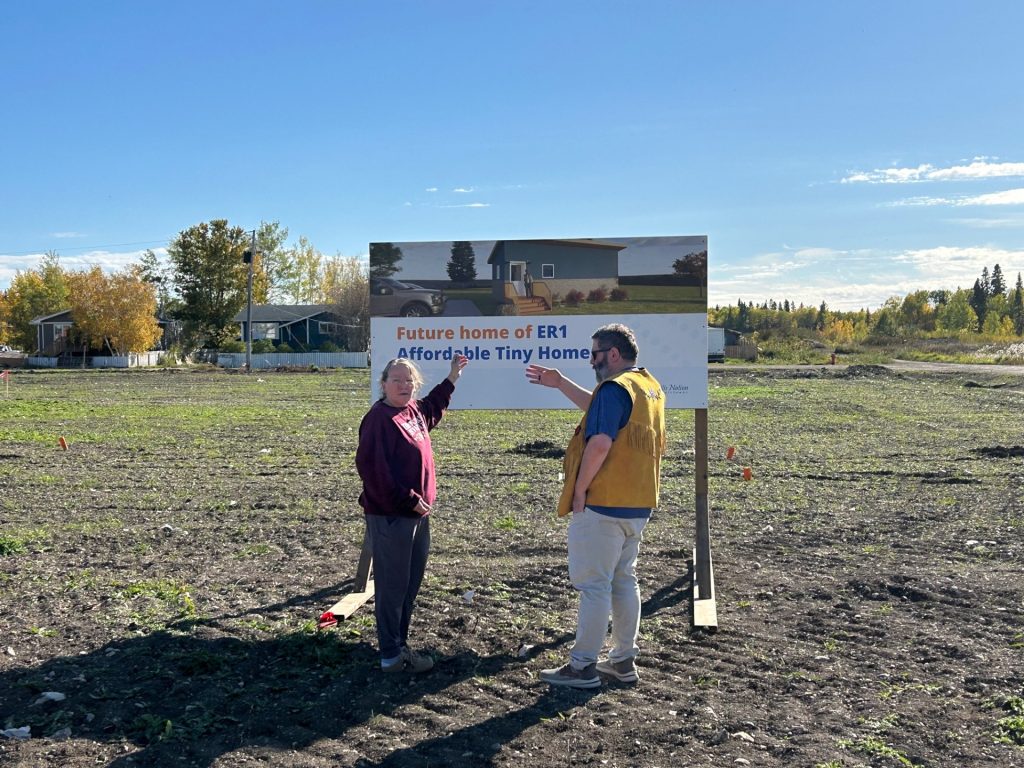
In phase one of the tiny home project, the MN-S were able to place three individuals who were homeless at the time in tiny homes.
“You have a lot of families with multi-generations or distant family or friends that are all living together. There’s a need with our Elders that want to stay in community and age in a place as much as they can,” said Philip.
“A lot of times, affordable housing options or senior housing options are in urban centres which would require them to leave their community, their support system, and oftentimes, their primary language. So offering options in the north so they can stay in community is very important.”
During phase one of the project, rent for the tiny homes ranged between $390-$415 per month, with minimal utility costs on top of that. Philip said the builds prioritize keeping costs low, such as using electric heat and solar to offset power costs. Philip said the second phase of the tiny home project will see a small increase in rental costs.
“It’s such a blessing that we’re getting these tiny homes up,” said Minister Ryan Carriere, Eastern Region 1 (ER1) Regional Representative, who lives and works in Cumberland House.
“Seeing that they’re coming into our community for our citizens – the citizens that are most vulnerable, and the ones that are needing a home to come to. They’ll be able to take pride in having a place to themselves.”
Carriere said in his home community of Cumberland House, the need for affordable housing is significant, with a lot of citizens homeless or living with family members. He said the development of affordable tiny homes has brought hope and positivity to the community.
“I’m glad that these houses that are being built are going to assist citizens in finding a safe place for them to grow and flourish within their communities,” said Carriere.
“I’m looking forward to eventually seeing success stories of them transitioning out of these tiny homes and onto bigger and better opportunities – further growth and development in their communities.”
The homes are expected to be completed in the spring of 2027.