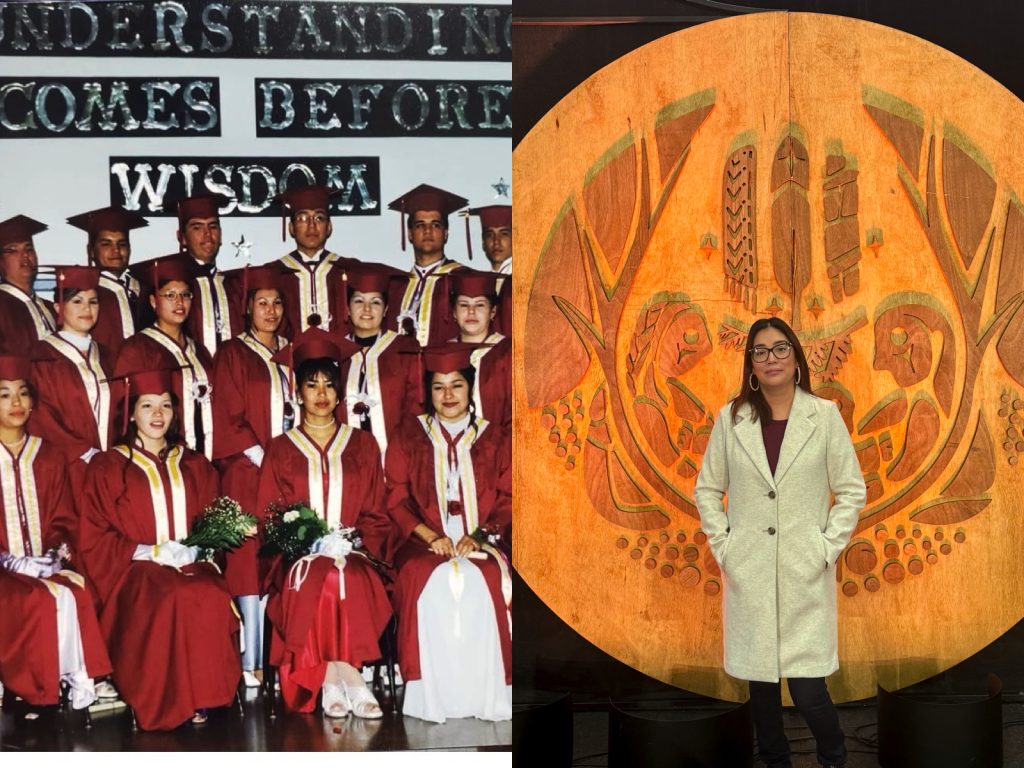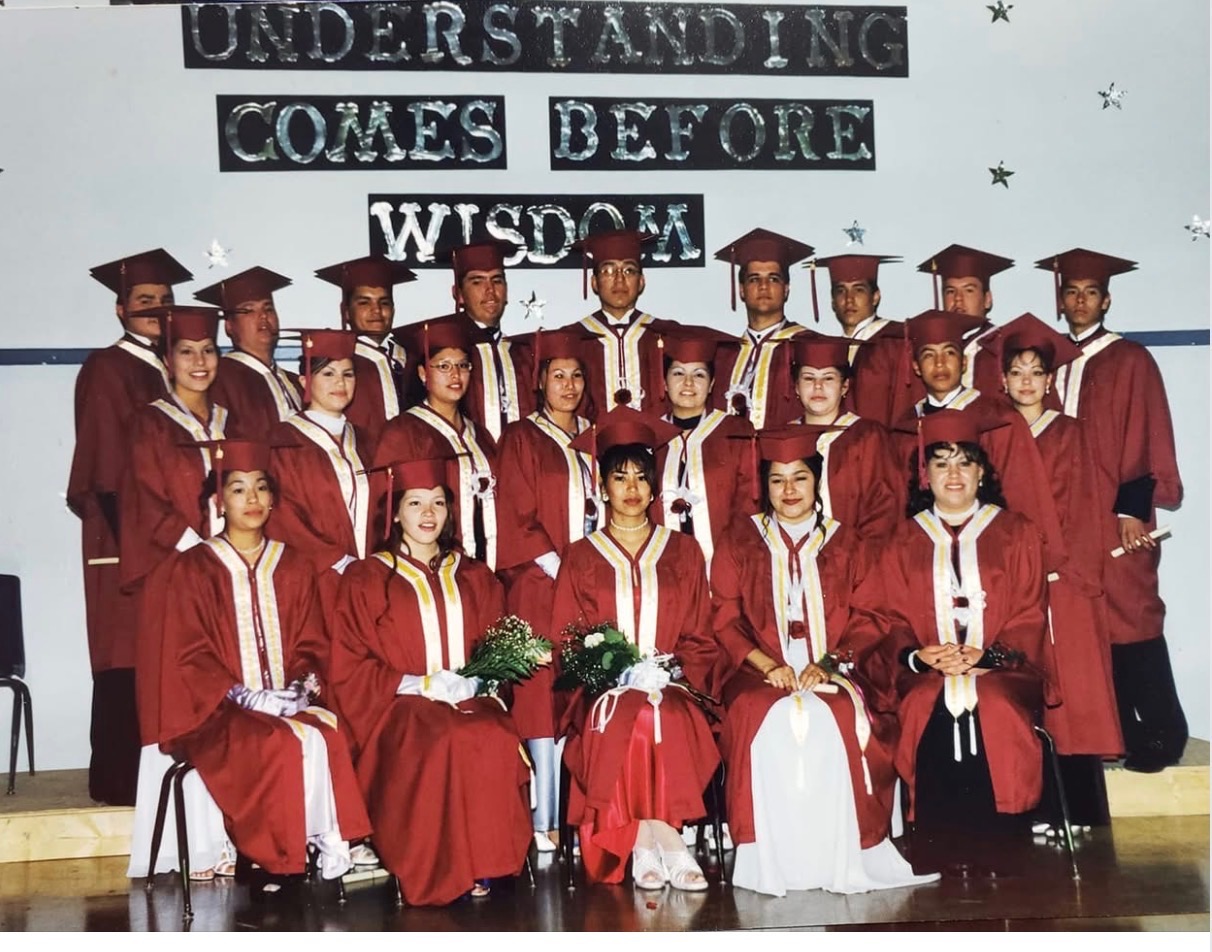
The last generation of graduates from the Lebret Residential School in 1998 (photo provided by Sonia Pete)
Part 1

The Last Generation – Survivors share stories from Canada’s final chapter of residential schools

Oct 4, 2026 | 10:54 AM

While most residential schools across Canada were shut down in the 1970s and 80s, Saskatchewan was home to the final institutions still operating in the country. Residential schools like Gordon Indian Residential School and Muscowequan Indian Residential School were running through much of the 1990s, leaving a generation of Survivors whose memories are still vivid from one of the darkest chapters in Canadian history.

In an ongoing series, Eagle Feather News is giving space for survivors of the Last Generation to share their experiences at residential school – in their own words.

Bill Stevenson – Cowessess First Nation
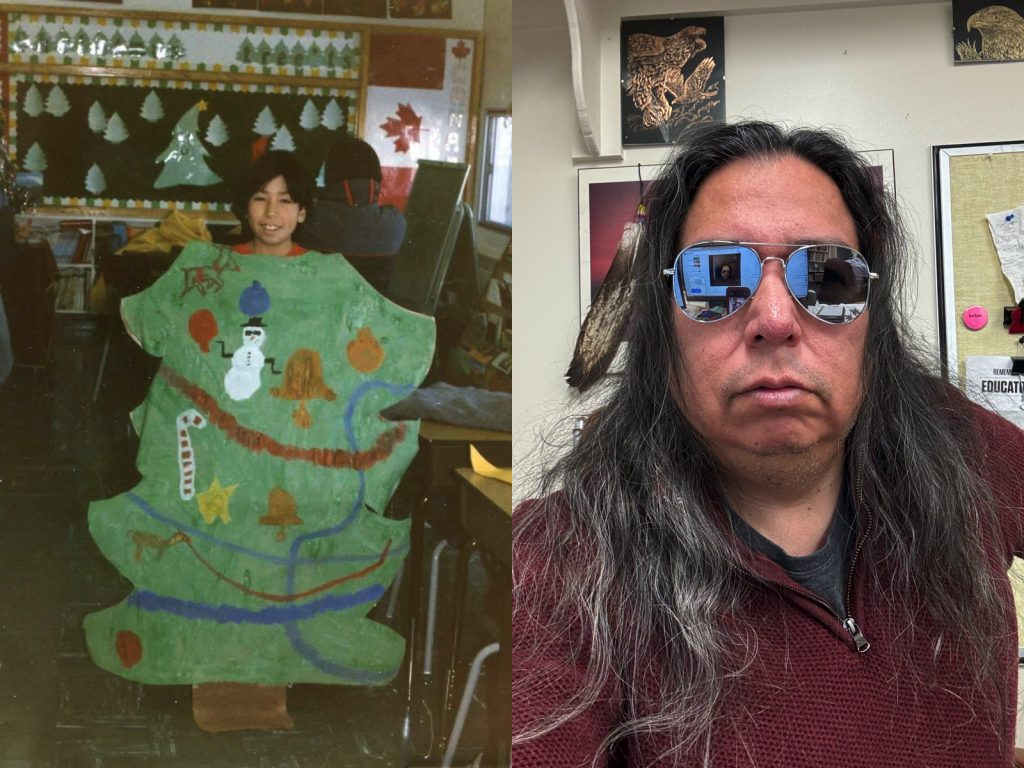
Bill Stevenson, executive director of Sâkêwêwak Artists' Collective in Regina. attended Marieval Residential School from ages 5 - 7

I attended Marieval Indian Residential School, which was later named the Cowessess Community Education Centre when I was 5-7 years old.

As a kid, I lived with my kookum and mushum. When my kookum passed and I was just being taken care of by my mushum, we lived in a remote part of Cowessess. The bus service would often fail because we were snowed it, so it was decided that instead of missing school, I would attend the residential school.

It was hard leaving because I loved living with my grandparents. There was a lot of loneliness at residential school.

We slept in a big dorm with all the beds in the same room. They separated the little boys from the big boys. I was given number 27, so all my clothes were rolled up and shoved into a little cubby hole marked number 27. I remember the meals. The food wasn’t terrible but it wasn’t great.

On the weekends we were pretty free. We would run along the creek bed. Near the building we all lived in, there was a playground and field to run around in. We weren’t supposed to be in the creek area, but we liked to run there.

I remember a lot of fighting. I wasn’t a tough kid so I got picked on by the other kids. I didn’t know how to defend myself. Sometimes I would be put in a chokehold, where they squeeze around your neck until you’re knocked out. That happened a few times.

When we stepped out of line, there was a stick – it was a hockey stick cut down to club size, smaller than a baseball bat. We would get hit with it on the leg or the back or the arm by the supervisor or the staff. They wrote HURT on it. So if you step out of line, you’re going to get HURT. They way they explained it was that your parents aren’t here. I remember that wording. ‘They’ve left you. They’re out doing whatever they want. Maybe they’re drinking. We have to guide you now because your parents aren’t here’. That’s why they had the stick. That’s why they wrote HURT on it. If you’re out of line, you get HURT.

That was our reality. I believe the staff did the best they could with what they had. That was 40 years ago – it was a totally different life back then. I think about the impact off and on that Residential School had on me. Some people tell you that going to Residential School, going through that experience and having to deal with all that, made you strong and gave you the ability to overcome. But I refuse to give these experiences and these memories that kind of power. I believe I was able to overcome because I was already strong, I was resilient. I did all of this and became successful. It was already in me – it’s in my blood.

I think spirituality has played a large role in it. I’ve come to become a follower of Christ, and I think for a lot of us, finding that spirituality, finding that strength, played a role in helping us overcome.

Sonia Pete – Little Pine First Nation

Sonia Pete, operations assistant at the University of Saskatchewan College of Agriculture, attended Lebret for her final two years of high school.

My parents made the decision to send me off to Lebret (Indian Industrial Residential School) the summer after my grade 10 year. My dad had attended the same school, and I had some cousins that already were attending the school, so I went with them.

I attended grade 11 in 1997 and went back for my final year in 1998. We were the last graduating class in the history of the school (editor’s note: Lebret operated from 1884 to 1998).

During the two years I spent there, it was a very different experience. When you think of residential schools, you think of nuns and priests. But when I attended, it was already being run by Star Blanket First Nation. For me personally, it was a good experience. I met lifelong friends, family, people that I’m still close with to this day. I met people from all over Canada.

But I didn’t get to go home very often. Some kids came from local bands within the Fort Qu’Appelle area, but since I came from the Battlefords area, I spent a lot of time there on the weekends, only going home on Thanksgiving, Christmas, and Easter.

It was quite a contrast when I started living there, going from being with your family, your cousins, your aunties and uncles on the reserve, to living in this completely different environment with strangers taking care of you. You had to build trust with them. And it often got lonely.

I was only able to talk to my family on the phone once or twice a week. But my Dad’s picture hung in the hallway from his graduating class. I would often go look at his picture in the hallway. I would think, maybe this is where I’m supposed to be – since my Dad went here and he sent me here.

I think the school helped me come out of my shell. I came as a shy little res girl, and I met all these friends who were so outgoing. They showed me a lot of things. I learned a lot. By the time we were there, we had Native Studies in the curriculum, so I was learning about our culture.

You could still see, and feel, what the school used to be. You’d walk the hallways and knew what used to go on. The library was a former chapel. The dorms, where we ate, the classrooms, the spooky stairwells. I can close my eyes and see it so clearly. It’s something I’ll never forget.

I think the experience instilled in me how important education is. If I didn’t go to that school, I’m not sure what would’ve happened to me. I’m so thankful for the people that I met there, and the friends I have to this day. I think it built my character. I know that there were students I graduated with who weren’t so lucky. It was a completely different experience for some students.

After graduating, I didn’t go back to the reserve. I went on to the city, to university, and started school.

Sometimes I feel bad for saying that my experience was a good one. It was life changing. And sometimes people don’t even believe I went to Residential School. They ask me how old I am, what school I went to. I tell them, and sometimes they say ‘no you didn’t.’