Cultural genocide key focus of annual language revitalization conference
-
Share on Facebook
-
Share on Bluesky
-
Share on X
- Copy Link
Cultural genocide, a term coined by a Polish-Jewish lawyer in 1944, is the systemic destruction of a group’s language, religion, traditions, and other cultural elements that make them distinct.
Canadian history has well documented examples of cultural genocide – perhaps most glaringly through the Residential School system, with more than 150,000 children separated from their families and community.
But cultural genocide isn’t something relegated to the history books.
“There’s a constant barrage of pop culture and Western culture in social media, television, movies, news, radio – you and I speaking in English all the time,” said Milton Tootoosis, founder and producer of the Keep Our Language Alive (KOLA) conference.
“We need to do something to keep our languages alive because we’re seeing constant pressures from Western culture. With all due respect to the British – English isn’t our first language.”
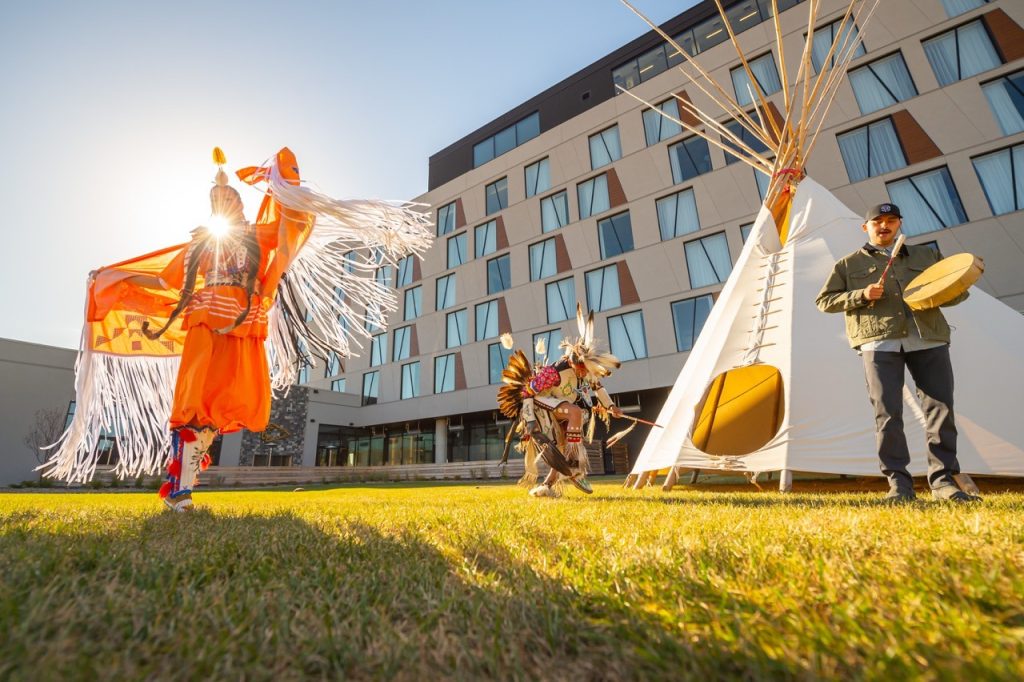
The threat of cultural genocide will be one of the major focuses of the fourth annual pimâcihitâtân nêhiyawêwin – Keep Our Language Alive conference, scheduled on September 28 and 29 at Dakota Dunes Resort in Whitecap Dakota First Nation.
The conference brings Indigenous language advocates, educators, and community members to address pressing issues related to language preservation, and to advance the recovery, healing, and revitalization of Indigenous languages.
“We’re starting to see an urgent wake-up call from our First Nation’s leadership and community members to do something to keep language alive,” said Tootoosis.
“Talking to Chiefs, leaders, Elders in the community, especially in northern and central Saskatchewan, and they’re saying the same things – fewer and fewer young people are speaking the language.”
The most recent data from Statistics Canada indicates Indigenous languages are in decline. Only about 2.4 percent of Saskatchewan residents first learned an Indigenous language at home, and only 1.2 percent predominately speak an Indigenous language at home.
Knowledge of an Indigenous language dropped from around 38,000 people in 2016 to about 35,000 people in the 2021 Canadian census.
“I think its critically important for the real policy makers in the government to pay more attention to this. The focus seems to be on economics, but we need to get back to the basics,” said Tootoosis.
“We know the government contributes a lot to the French community in order to keep French alive. And honestly, good for them. But they need to do the same for First Nations people to keep our languages alive.”
Through its Action Plan for Official Languages, the federal government spends an average of $820 million per year on resources directed towards the French language.
“Embracing our languages is part of the healing process, being comfortable in your own skin as (an Indigenous) person. Money is part of solving the economic component in healing our communities and alleviating poverty, but having a strong cultural understanding of who you are through the language is also a huge component.”
Tootoosis said that the KOLA conference is unique in that it is presented, primarily, in the Cree language. And the conference is building momentum, said Tootoosis, with over 300 individuals signed up to attend the sold-out conference.
“It’s an indicator of the interest and concerns a lot of fluent speakers have in keeping our languages alive,” said Tootoosis.
“I would consider those attending our warriors and champions. The people who are saying, no, we’re not going to assimilate and fall any further back.”