New Housing Company Looking to Transform Housing on First Nations
-
Share on Facebook
-
Share on Bluesky
-
Share on X
- Copy Link
Housing on First Nations across Saskatchewan is in short supply and often in disrepair. A new Saskatchewan company is has come up with a new housing solution to these long-standing problems.
Wastēyapit Homes is an Indigenous co-owned housing company that are creating innovative affordable homes that are designed and built to save on both short and long-term costs.
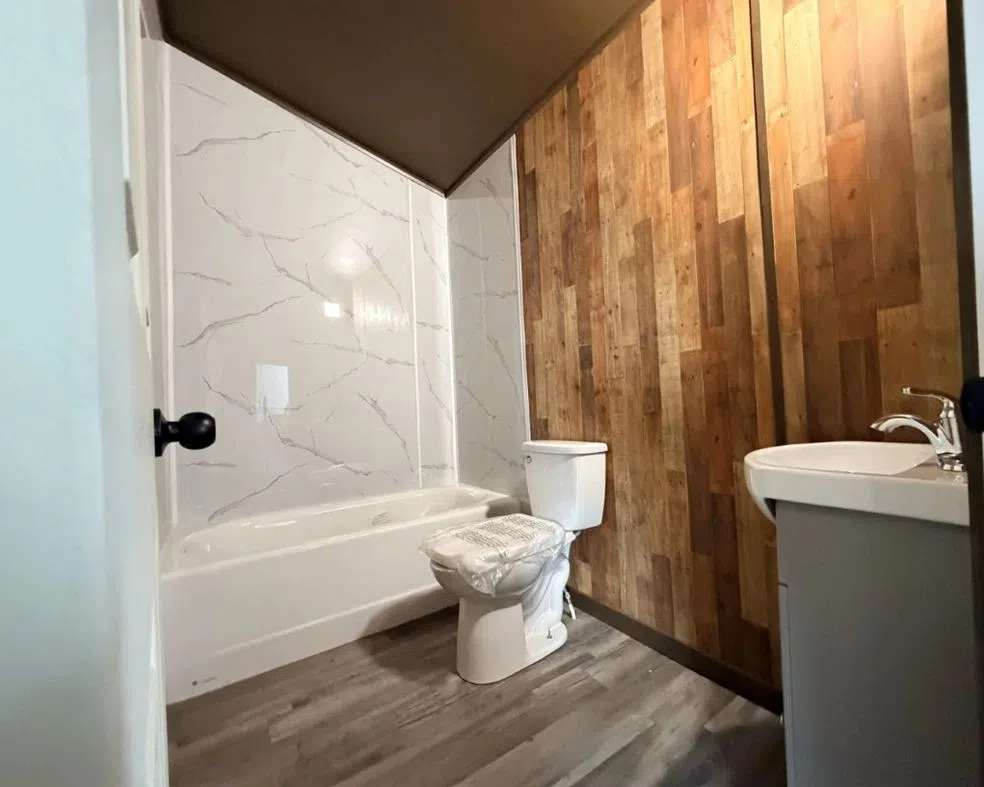
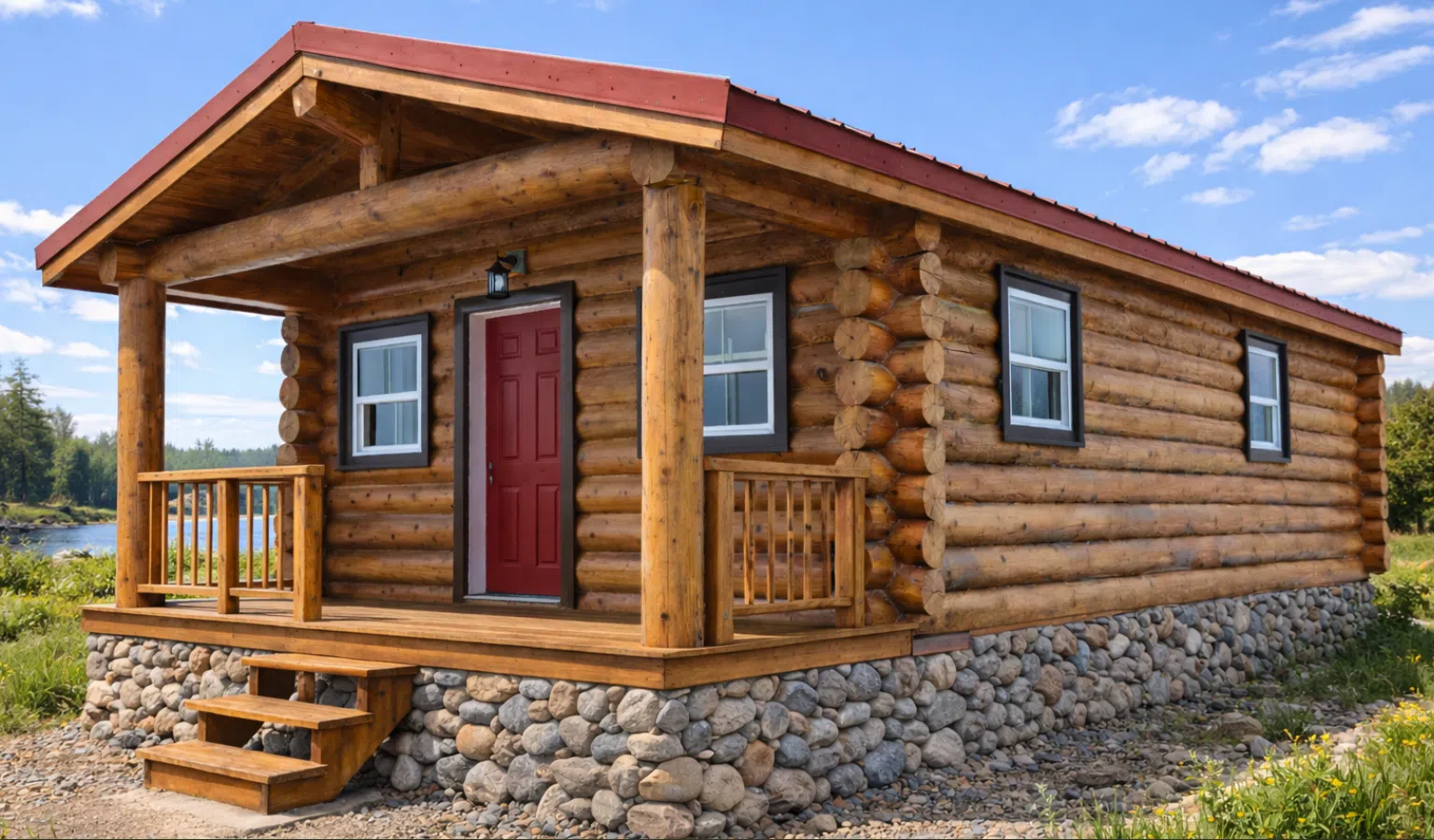
Wastēyapit is building ‘log style’ modular homes, ranging from one-bedroom to four-bedroom, and coating them with a specially developed ‘Insta-Coating’ finish that will ensure the homes are sustainable and long-lasting.
“We’re one of the first companies that can’t have rot, mould, mildew, water damage, or hail damage on your house. Those are the five-key factors that First Nations deal with,” said Randy Janes, founder of Wastēyapit Homes.
“It’s a ballistic-proof coating, where if you stood six-feet away and shot it with a .350 Magnum, it wouldn’t penetrate the wall,” he said.
The coating applied to the homes, developed by Janes, is anti-microbial and will not only deter mildew and mould, but mice and other pests.
Janes said that Wastēyapit’s initial building costs are an average of 10 to 30 percent less than building costs of a comparable home. But he said the biggest savings come in the lack of upkeep an owner will be required to do to their home.
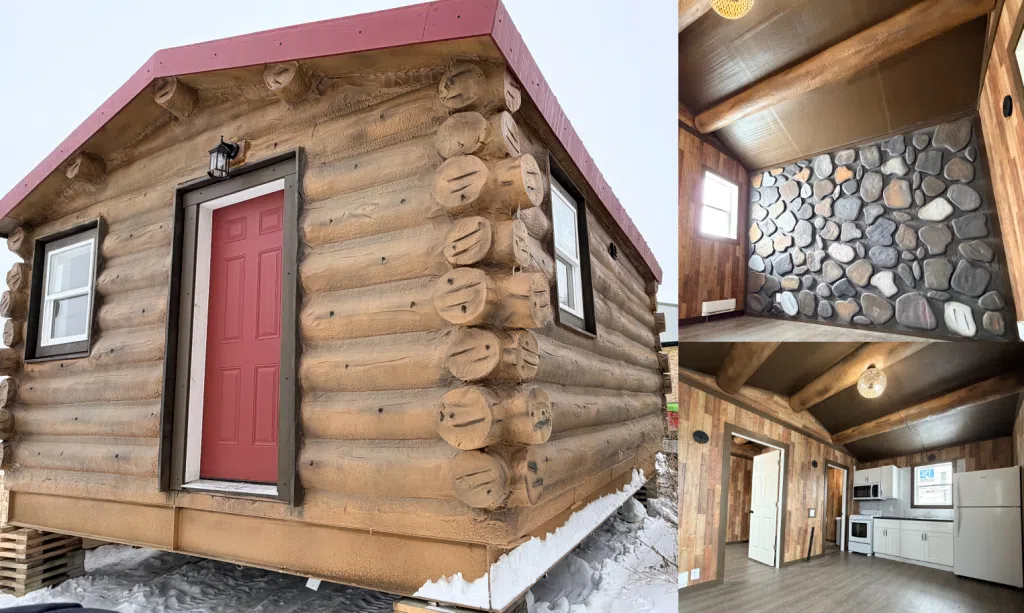
“The initial build is not the biggest expense for most First Nations – it’s the maintenance, upkeep, and health issues that come into play after the house has been there for five years,” said Janes. “Maintenance for our homes is only windows, doors, and cabinets. You won’t have to worry about structure.”
The coating on the homes also makes them 50 to 70 percent more efficient for heating and cooling, said June. It also has an A1 fire rating – the highest rating for construction materials, signifying it is non-combustable.
While Wastēyapit Homes are not limited to building in any particular location, they are prioritizing bringing the benefits of their homes to First Nations in Saskatchewan.
“You look at the conditions people live in, it’s just not right. On some First Nations, housing is so desperately needed that people are making due with houses that are not livable,” said Kimberly Greyeyes, co-founder of Wastēyapit Homes and member of Muskeg Lake Cree Nation.
“It’s about wanting better for our people. They deserve better and should have better. That’s what we’re hoping for.”
According to a 2024 report by the Assembly of First Nations, 25 percent of households in Saskatchewan First Nations experience overcrowding. Approximately 20 percent of homes in First Nations communities require major repairs, while 6.5 percent need to be replaced entirely, according to a 2021 report.