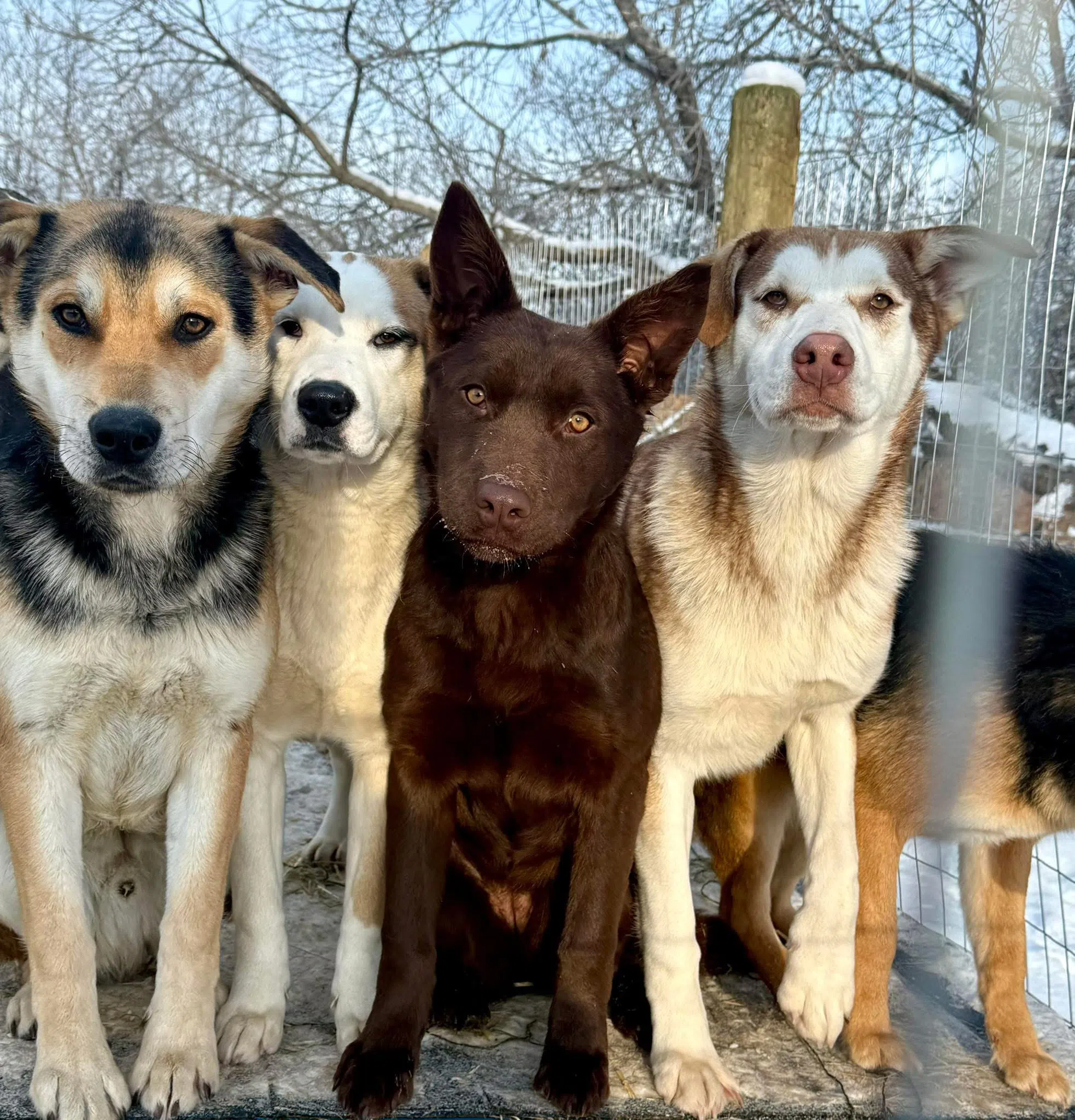
A Fight for Healthier Communities: Challenges Facing Dog Rescues in the North
-
Share on Facebook
-
Share on Bluesky
-
Share on X
- Copy Link
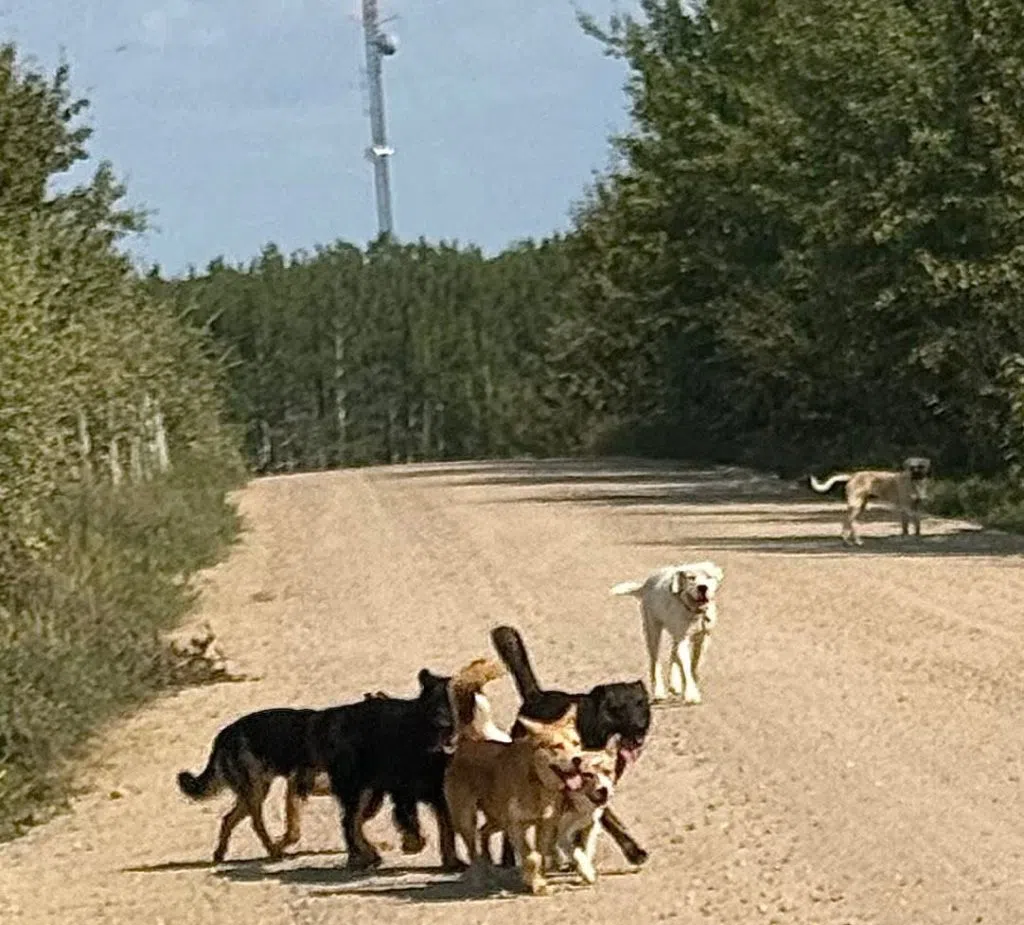
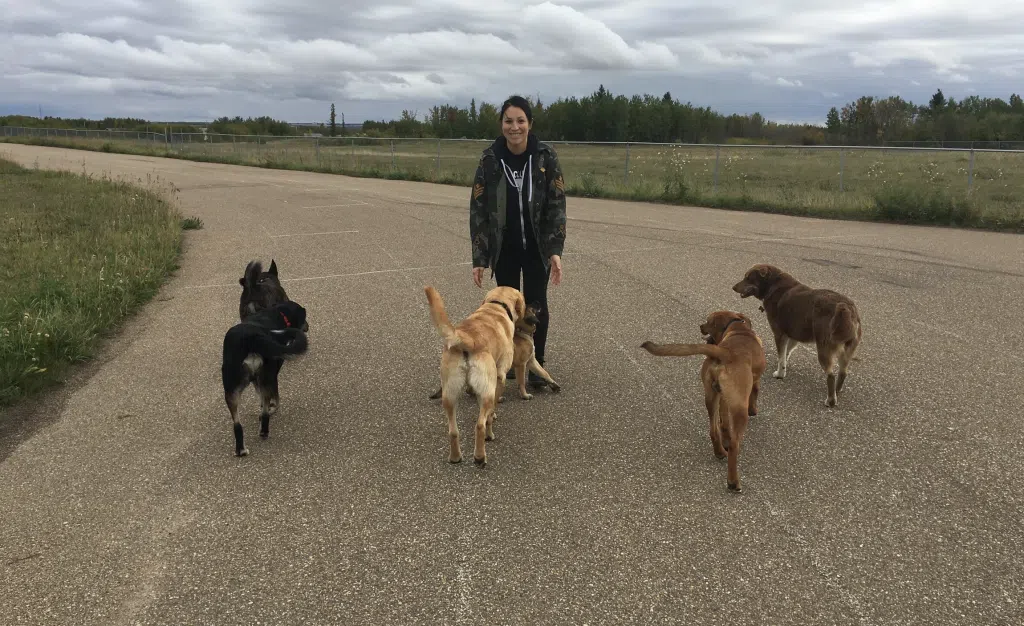
Whenever Amanda Harder drives into Waterhen Lake First Nation, she is given a royal welcome from a group of very happy locals. A small group of dogs come running and wagging to her. She knows each of their names, and all of their owners.
But just a year ago, things at Waterhen weren’t quite as stable.
“I think about 95 percent of the dogs in Waterhen are now owned, healthy, and loved,” said Harder. “A year ago used to see eight to ten strays on every road. Now, there’s almost no strays.”
Harder, a Métis advocate and frontline worker for dogs, is the co-founder of Northern Transitional Dog Rescue and Sanctuary (NTDR). She began the rescue in January of 2025, and has already had a significant impact on the dog population in northern reserves.
Through service agreements with First Nations, NTDR will work directly with local leadership and communities to reduce the stray population and find dog management solutions to ensure community dogs are healthy and well-cared for.
“A lot of rescues will go into communities without permission. We work with leaders, get contracts, and obtain permission. We go door-to-door to ask which dogs are strays, which ones are vulnerable, and find out what the community needs,” said Harder.
In their first year, NTDR removed or re-homed 347 dogs from northern communities, including 142 from Lac La Ronge Indian Band. They held 12 free community spay and neuter clinics, and had over 160 dogs spayed or neutered.
They also have a low income dog food program, funded directly by the reserve, in which they will deliver pallets of dog food to the community. Harder said they bring about 40 bags of dog food to Waterhen every month. They have also delivered about 40 dog houses.

“Our goal is to keep healthy, friendly community dogs in the community, because dogs have always been a part of our heritage, and we believe that if they’re good community citizens, they should stay in the community,” said Harder.
The benefits from NTDR’s work is not only aimed at the community dogs, but its people. Harder said large packs of roaming male dogs, often following females in heat, will react aggressively to people in the area, making it difficult for children to play outside.
In June of 2025, a young woman Ministikwan Lake Cree Nation was killed after a dog attack.
“We’ll get calls from community members saying their kids can’t go to school or outside because there’s a pack of 20 males following around a female,” said Harder. “We’ll prioritize the females first – spaying them and then the ones that are strays, we will re-home or move them to partner rescues.”