Artist Aiming to Revitalize Métis Rug Hooking in a Year Long Project
-
Share on Facebook
-
Share on Bluesky
-
Share on X
- Copy Link
The little-known, seldom practiced Métis tradition of making hooked rugs is being revitalized in a major way at the Royal Saskatchewan Museum (RSM) in Regina
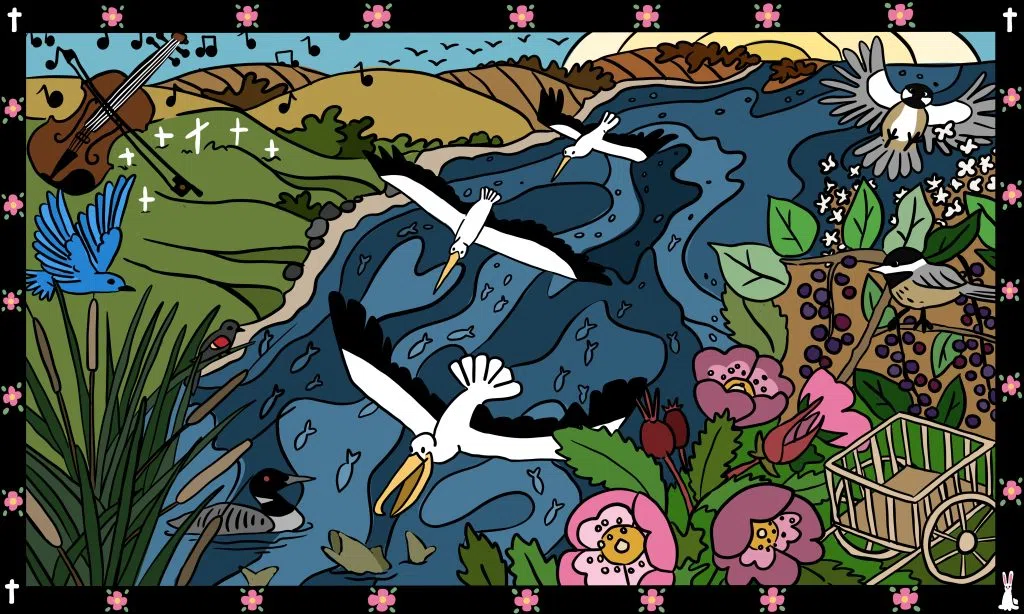
Over the next many months, Métis Elder and artist Margaret Harrison will lead a community hooked rug project at the RSM, entitled ‘The Basin of Little Things.’
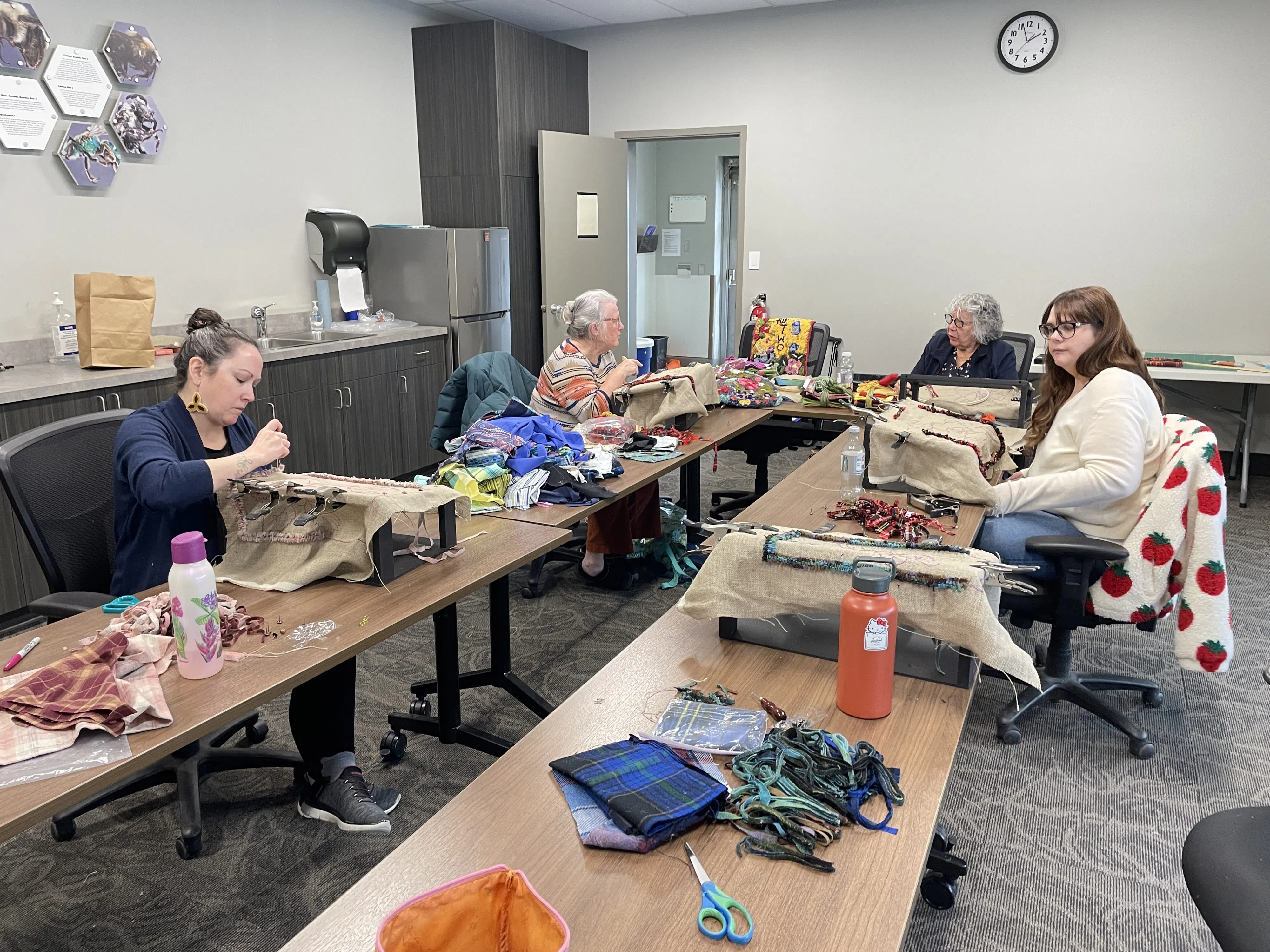
The plan is to create a large, 6 x 10 foot rug in three separate pieces. But master rug-maker Harrison wont’ be doing it on her own – she’s inviting any willing participant from the community to join her, learn, and create something significant together.
“For me, this is a beautiful thing to be able to bring our culture to the (RSM) and really show Métis art, said Harrison.
“There is so much creativity with young people today. I want to see them bring it out, and if I can do that with rug hooking, then more power to us.”
Over the next many months, every weekday for four hours during the late morning and early afternoon, Harrison will be at the RSM, working on the piece and teaching those interested in learning the craft. They hope it will be finished within a year, at which point it will be displayed in a gallery space at the RSM.
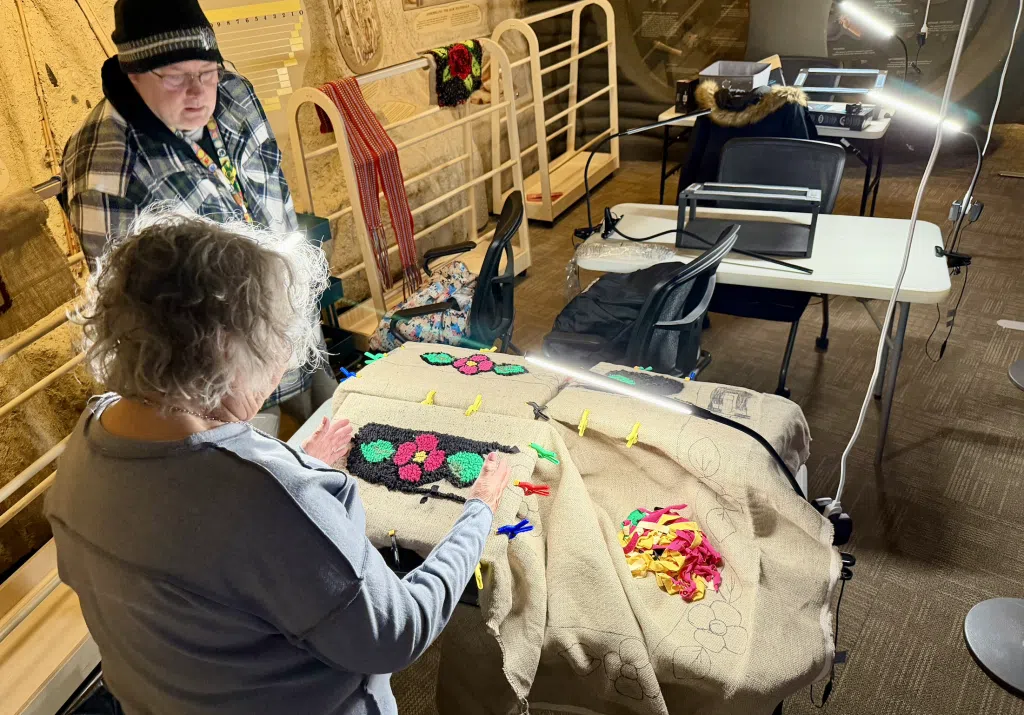
“We’re helping showcase a part of history that’s lesser known,” said Bailey Monsebroten, curator of Indigenous Cultural Heritage at the RSM.
“That’s our mandate – to help people learn about Indigenous cultures, past and present. This is a really important part of Métis history.”
Hooked rugs are historically practical and domestic objects, with roots dating back to mid-18th century. Rug hooking was particularly widespread among Métis women, who produced a large volume of hooked rugs, marketing them from door to door with berries, fish, and garden produce.
“It’s such a beautiful history of women taking care of themselves and their families through their art,” said Monsebroten. “I think the power of Métis women is really reflected through this practice.”
‘The Basin of Little Things’ project has it’s roots from Monsebroten learning of the cultural practice, and deciding to write her Masters on rug hooking. During her research, she connected with and befriended Harrison, one of the last practitioners of Métis rug hooking, who taught her the craft.
As the RSM was developing their galleries for the year, Monsebroten said they decided not just to do an art-piece, but create something that can give skills to the community.
“As we’re making this rug, the most important part is giving the skills back and educating people about the history of this art-form as a Métis practice,” said Monsebroten.
“We want more people to do it. We hope some people take it and turn it into a new practice for themselves – take it to new levels.”