Cree Speaking Archbishop to Serve Northern Saskatchewan and Manitoba
-
Share on Facebook
-
Share on Bluesky
-
Share on X
- Copy Link
Moving from one of the most densely populated countries in the world, India, to northern Canada might be a major adjustment for most. But for Susai Jesu, it didn’t take long for him to feel right at home.
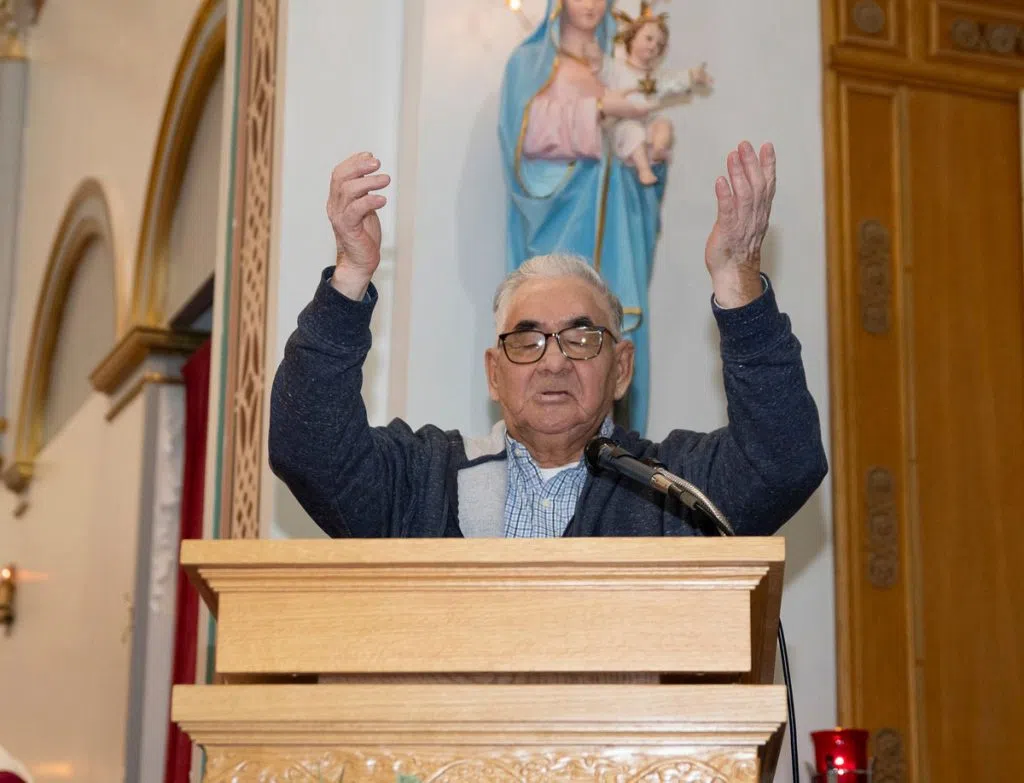
“With Indigenous people I felt at home because of the nature of my kin – I came from India, we are simple, very sociable. I found the same her, that I could laugh and chat for hours with the people,” said Jesu.
“The people here made me a good priest. By living with them, learning from their lives, learning their patience, listening, and empathy.”
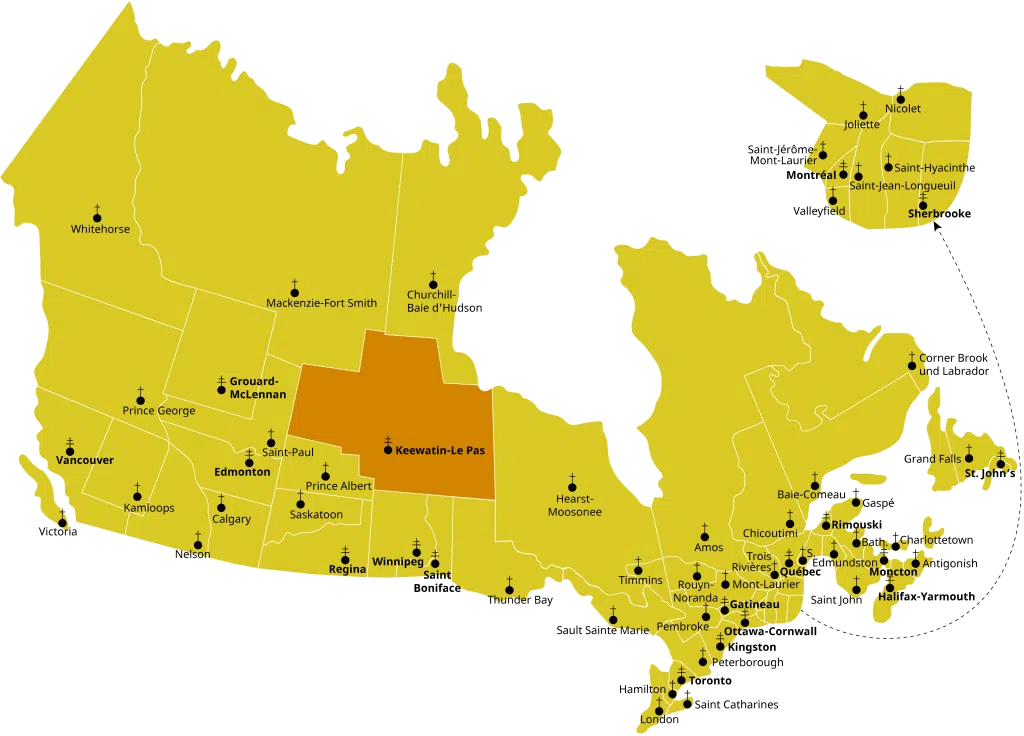
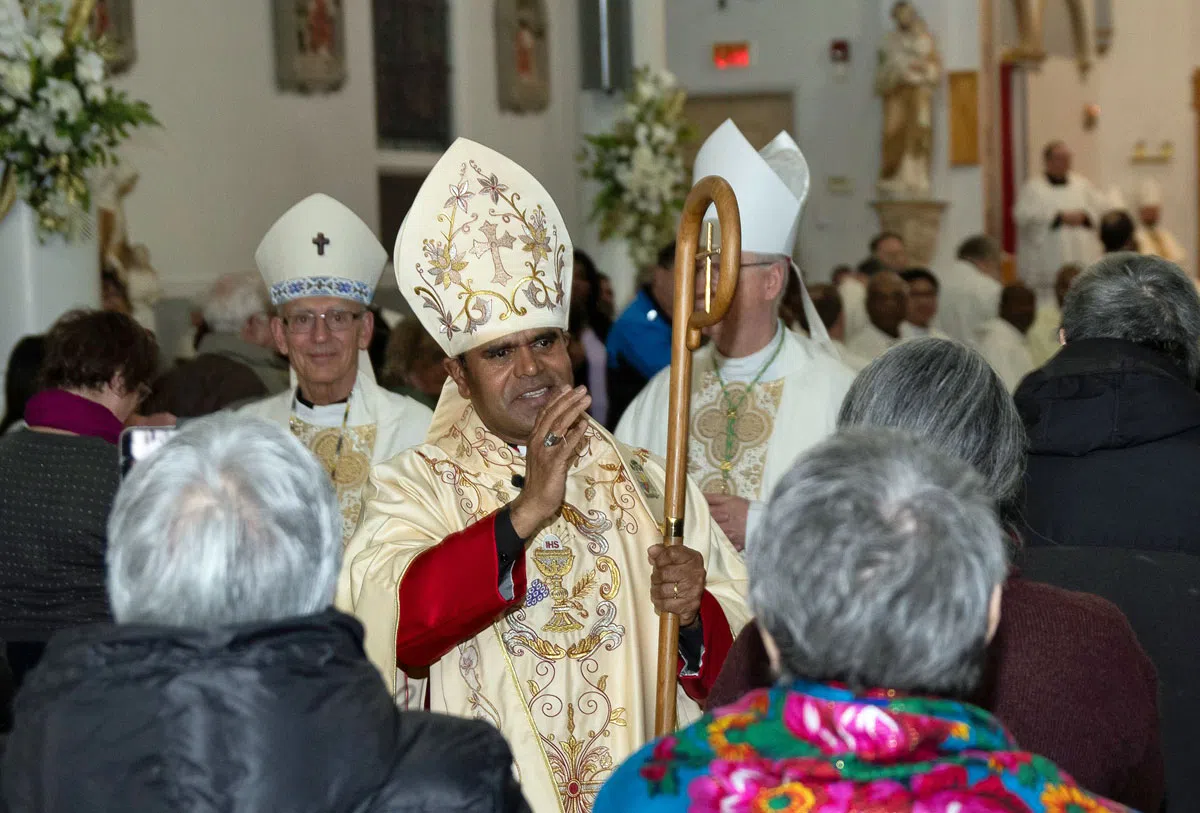
On January 26, Susai Jesu was ordained as Archbishop of Keewatin-La Pas, an archdiocese that spans over 725,000 square kilometres across northern Saskatchewan, Manitoba, and a small part of Ontario. The archdiocese contains 49 parishes and over 42,000 Catholics.
“I wasn’t expecting this at all. I always wanted to come back here, this is where my career began,” he said.
“I felt the Lord is calling me to a higher responsibility, and I shall accept as He calls me.”
Jesu’s journey to becoming an Archbishop is closely tied with the Indigenous population of northern Saskatchewan and Manitoba. From a coastal village called Pushpavanam in the Tamil Nadu state of India, Jesu came to Canada 19 years ago, and began serving in Pelican Narrows and Sandy Bay.
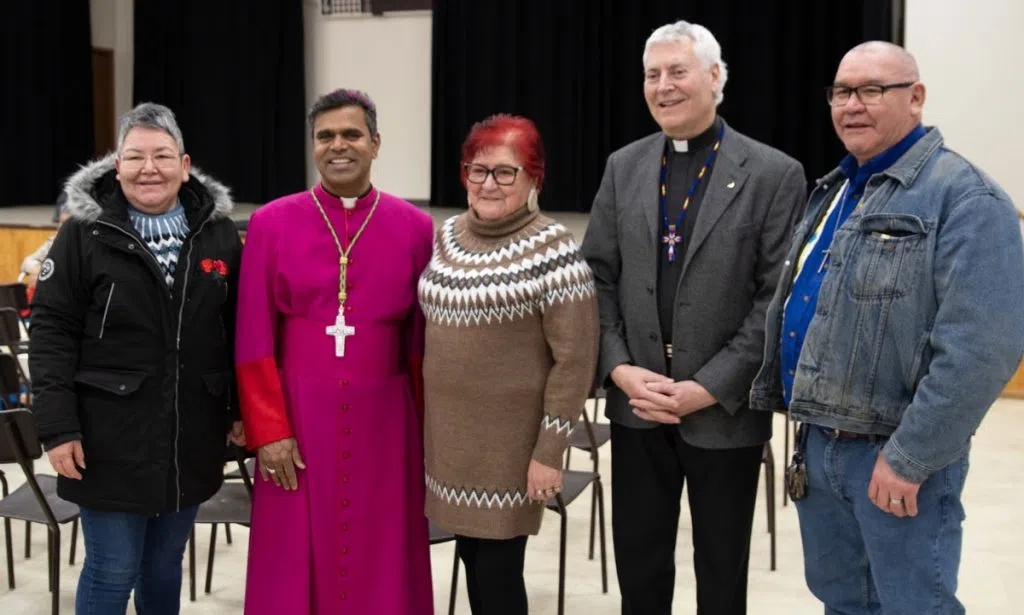
It was there he learned to speak Cree from the locals he served, even becoming fluent enough to conduct mass fully in Cree. It’s also where he gained insight into the intergenerational impacts of Residential School, and the ongoing complicated relationship between the Church and Indigenous people.
“I had to spend my first five or six months learning. I had to identify myself as the Church now, because I have to apologize and ask for forgiveness,” he said.
“I wasn’t seen as Susai, but as a Priest in the Church structure. That was very challenging, because I wasn’t part of the Residential School system, but the impacts are still happening.”
Jesu spent the better part of his first year in Canada attending workshops on Reconciliation, Indigenous culture, and Indigenous spirituality, meeting with everyone he could to listen and learn. To date, he said he has visited over 40 First Nations.
“In my culture, I trust right away. With (Indigenous culture), they don’t trust too soon. They see you, observe you. And that’s been an impact of Residential schools,” said Jesu. “But once they know you’re there for them, they give you their life.”
From 2017 to 2025, Jesu served as the pastor of the Sacred Heart Church of the First Peoples in Edmonton, where he helped welcome Pope Francis during his trip to Canada in 2022.
In 2018, he was honoured with an Eagle Feather by the Indigenous Catholic community because of his strong interest in Indigenous culture, his ability to speak Cree, and his efforts to involve Indigenous people in a revived parish pastoral council.
In July 2025, he briefly served as Pastor of Lac Ste-Anne Parish before getting notified by the Vatican on his higher calling. In November, Pope Leo XIV appointed Jesu Archbishop of the Archdiocese of Keewatin- Le Pas.
The archdiocese boundaries extend from the northernmost area of Saskatchewan, to north of Prince Albert, including Cumberland House.