Sask MP Weighs in on Affordability Plan for Northerners
-
Share on Facebook
-
Share on Bluesky
-
Share on X
- Copy Link
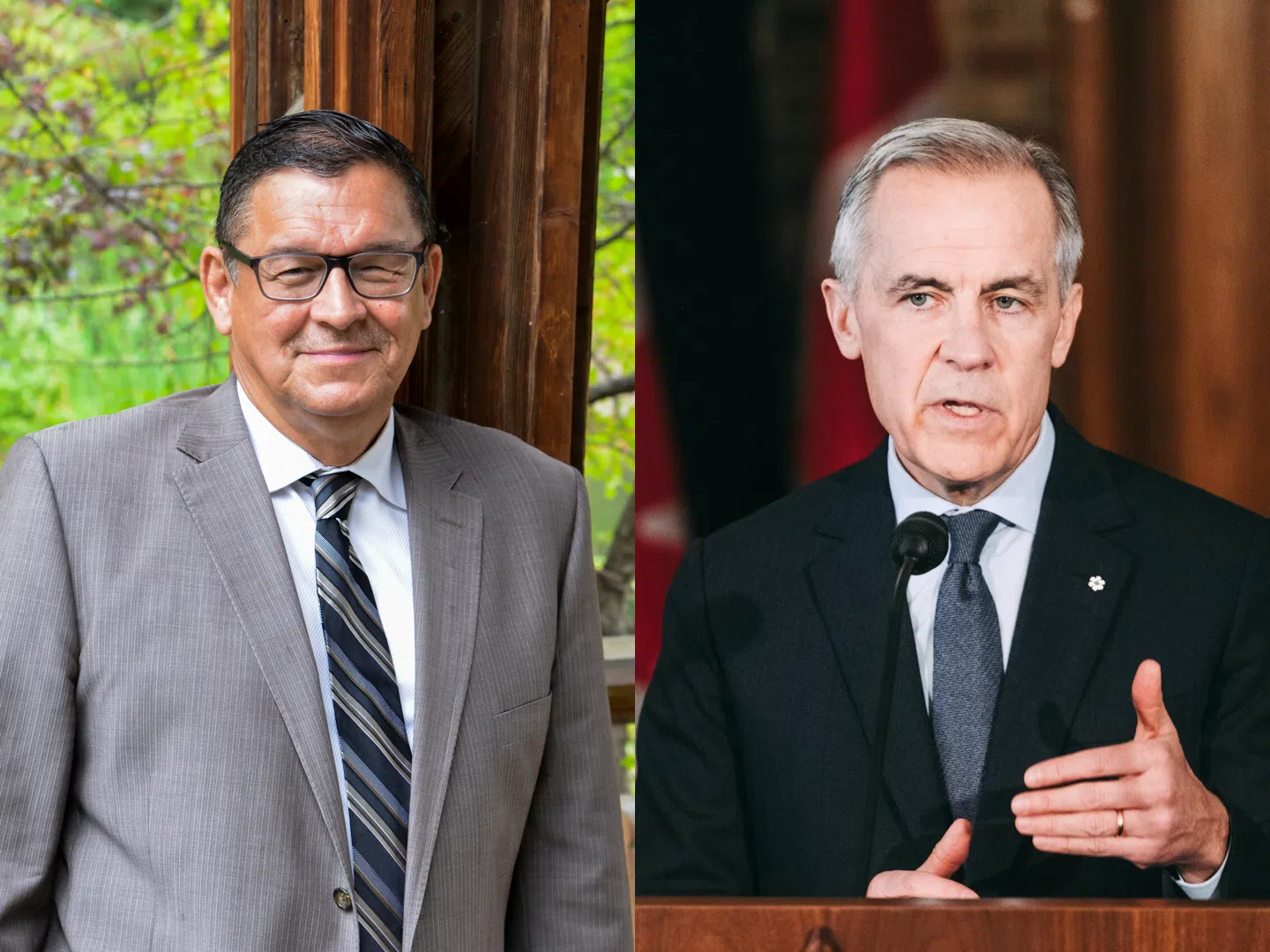
Saskatchewan’s only Liberal MP is optimistic about impacts on northern communities from the federal government’s new affordability plan.
On January 26, Prime Minister Mark Carney announced the new Canada Groceries and Essential Benefits, a measure to make groceries and other essentials more affordable to Canadians.
Beginning this summer, the federal government will increase the existing GST credit amount by 25 percent for the next five years. Eligible Canadians will also receive a one-time payment equal to 50 percent increase in 2026.
The increase means a family of four will receive up to $1,890 this year, and around $1,400 for the next four years, while a single person will receive $950 in 2026 and about $700 for the next four years.
“It’s a practical, immediate step to help people afford the basics while our government continues the longer work of strengthening the economy and bringing down costs overall,” Buckley Belanger, Liberal MP for Desnethé–Missinippi–Churchill told Eagle Feather News.
“What this means is that, starting in spring 2026, more than 12 million low- and modest-income Canadians will see extra support when they’d get their regular GST Tax Credit,” said Belanger.
Affordability has long been a significant issue for residents of northern Saskatchewan. Costs for a healthy diet are often 25-30 percent higher than the provincial average, according to the Saskatchewan College of Dieticians.
The average cost of the National Nutritious Food Basket in northern Saskatchewan is $358 per week for a family of four, compared to $279 in the south.
“People in northern Saskatchewan know better than most that when grocery prices go up, there isn’t a lot of room to absorb it. In rural, remote, and northern communities, food already costs more, and families feel those increases immediately,” said Belanger.
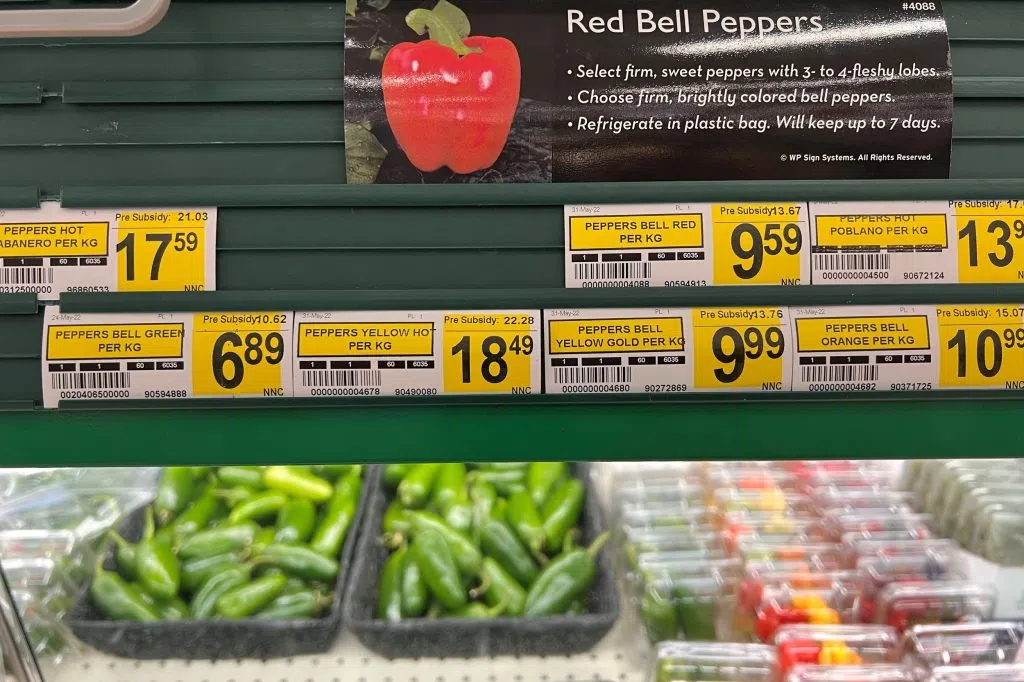
“(The Groceries and Essential Benefits) money helps cover essentials like food, fuel, and household supplies. It’s not complicated and it goes to people who need it most, automatically.”
High costs of food have been linked with greater health risks and diseases. Diabetes rates in northern Saskatchewan are among the highest in the province, with certain North East health networks reporting up to 11 percent prevalence compared to lower-risk areas like Saskatoon with 5.6 percent, according to the National Institute of Health.
Although Carney didn’t detail the eligibility criteria for the rebate, the federal government stated eligible individuals must be a resident of Canada and at least 19 years old. Those who made more than $56,181 in 2024 are not eligible. That figure increases to $74,201 for a single parent with four children.
Belanger said this affordability plan is part of a broader approach to make life more affordable, including cutting taxes for middle class Canadians, eliminating the consumer carbon tax, removing the GST for first-time homebuyers on new builds, made the National School Food Program permanent, and ensured more Canadians automatically receive the federal benefits they qualify for.
“But we also recognize that food insecurity in the North is a deeper, long-standing challenge. That’s why work is also underway on a new federal National Food Security Strategy, with a strong focus on northern and remote communities where the pressures are greatest,” said Belanger.
With the MPs back on Parliament Hill after the winter break, Conservative leaders plan on letting the GST rebate pass. But during a question period on Monday, Conservative leader Pierre Poilievre questioned the effectiveness of the rebate.
“It’s a Trudeau-era rebate,” said Poilievre “(that will) barely cover a few trips to the grocery store.”
The rebate, paid out four times a year, are dated for January 5, April 2, July 3, and October 5.