Regina’s approach to combating houselessness
-
Share on Facebook
-
Share on Bluesky
-
Share on X
- Copy Link
The homelessness crisis in Regina is being addressed with a new approach from city council.
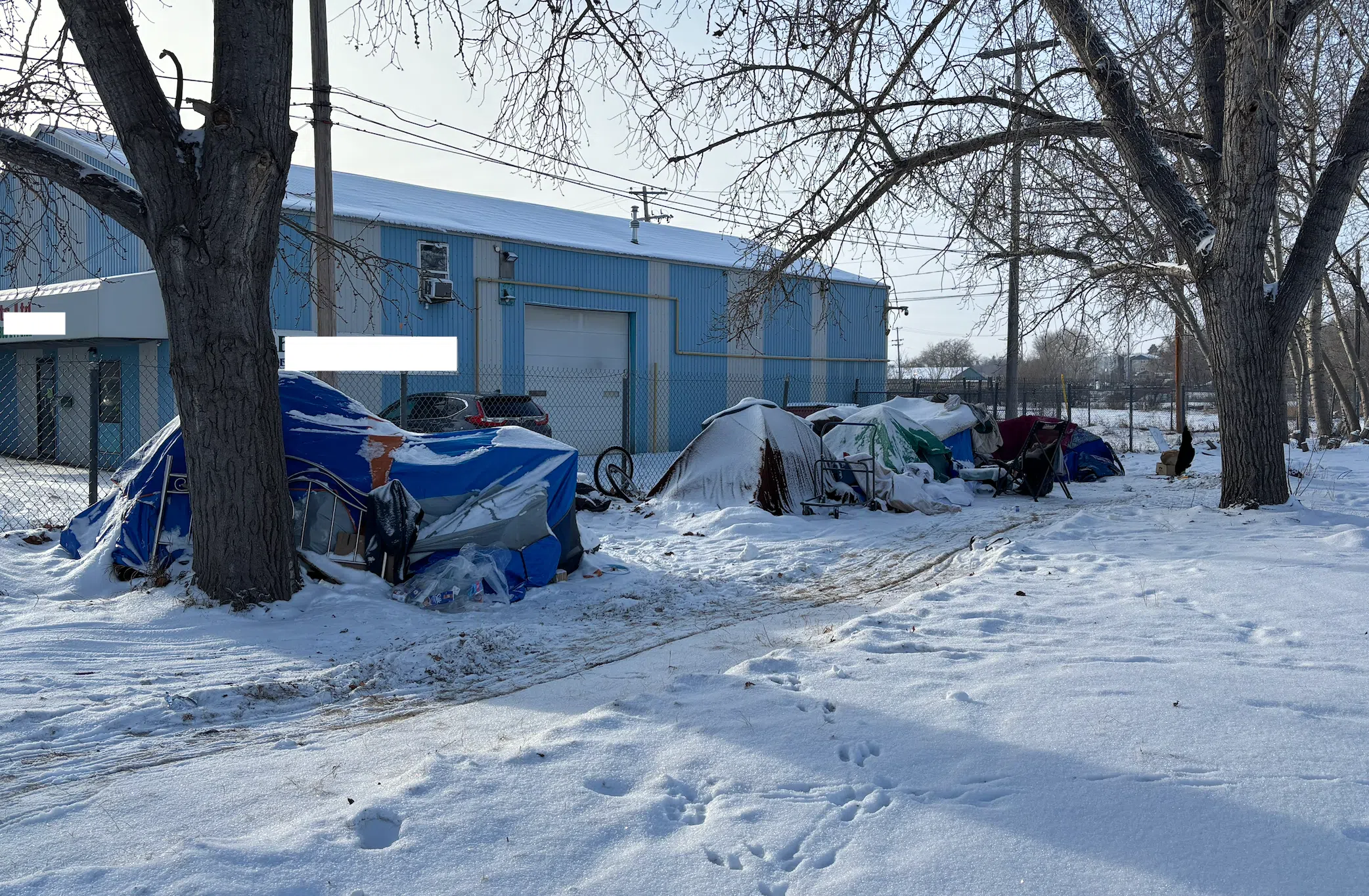
With the creation of a new Community Action Response to Encampments (CARE) Team, Regina will take a more outreached-based approach to individuals living in tents or temporary shelters around the city.
Rather than shut down encampments, CARE will assess through a ‘risk matrix’ through engaging with the residents. CARE will also offer co-ordinated support before encampment removal is enforced.
Robert Byers, President and CEO of Namerind Housing Corporation, an organization tackling homelessness with affordable housing programs and strategic plans to end homelessness in Regina, is concerned about the vulnerable people continuing to sleep in encampments around the city.
“We need more housing,” said Byers. “Of course the answer is not tearing down the encampments and telling them to move on. But I don’t think encampments and shelters are the answer either. They are helpful but we need to figure out how to get people housed.”
Byers said a lot of money is spent on keeping people alive in encampments, but he would rather see the money go towards a large building to keep them warm.
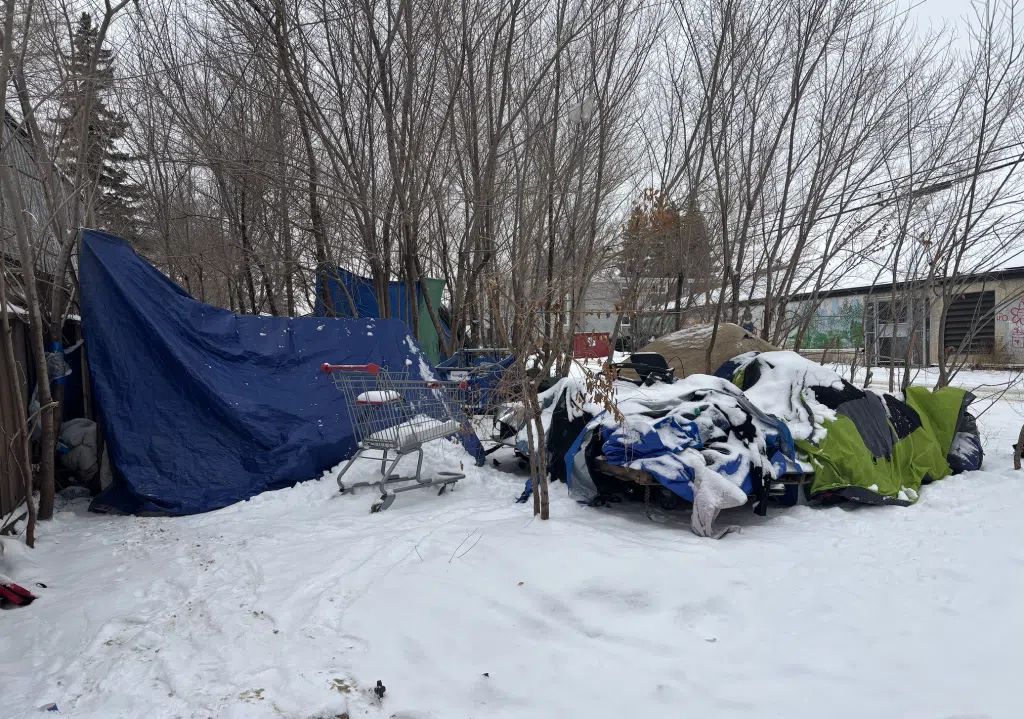
A report from the City of Regina stated an encampment for 50 people would cost over $180,000 a month, which would include food, water, on site support, and Indigenous healing supports.
Safety due to drug, fires, and temperatures is a major issue, said Byers.
“They can’t have a large fire to keep warm,” he said. “I don’t know how they’re staying warm. You can’t spend enough on sleeping bag when it’s thirty below.”
Namerind, an advisory partner for Regina’s homelessness strategy, will be conducting a Point-in-Time (PiT) count in January for individuals facing homelessness.
Last year, they found 824 individuals without stable housing. They also found 71 percent reported substance use challenges and 54 percent reported mental health conditions.
Byers expects the numbers to be higher this year similar to what was seen in Saskatoon.
He’s also concerned for seniors without shelter, which has increased 100 per cent over the last three years.
“That’s pretty scary that we’re failing the people that helped us get to where we are,” said Byers. “Sometimes they suffer abuse because they’re so desperate to keep their place that they let others come in and live there, more or less taking over the unit.”
In a statement to Eagle Feather News in regards to the homeless crisis in Regina, the Ministry of Social Services said the Government of Saskatchewan has provided more than $98 million in funding since announcing the Provincial Approach to Homelessness (PATH) investment in 2023.
“In Regina, this investment has increased capacity in the city with new supportive housing, emergency shelter and complex needs emergency shelter spaces along with street outreach and community responses,” reads the statement.
In November, the Ministry announced an investment of up to $20 million over three years to expand PATH, including funding to create a new shelter and supportive housing spaces in Regina.
Namerind currently owns 275 affordable housing units. In September, the organization was approved by the city to build a 48-unit affordable housing unit in downtown Regina.
With 75 per cent of homeless individuals in Regina identifying as Indigenous according to their last PiT count, Byers said he believes more for-Indigenous-by-Indigenous strategies are needed.
“When we have Indigenous people coming by our office or through our outreach program, they feel comfortable,” he said. “We understand and believe their stories. They know we want to help.”
As a trusted source with Indigenous Services Canada, Namerind can help individuals without identification obtain their status card. A small step that could have major impacts, said Byers.
“It’s an opportunity not only to get ID but help connect them with their community,” he said. “When people get their cards and say, ‘Wow I haven’t had one in a long time. It says my nation,’ it may seem like a little thing, but it’s a big thing. Connecting with your family or nation could be the start of getting someone housed.”
Namerind housed over 400 people in Regina last year, including a purchasing a building to house young people who have aged out of care but still require supports. Byers believes investing in the young generation can be a key to reducing homelessness.
“Prevention is important,” he said. “While the numbers continue to grow for homelessness and it’s important to help them, we have to stop the inflow. We have to get to the youth early and see what we can do to keep them off the streets.”